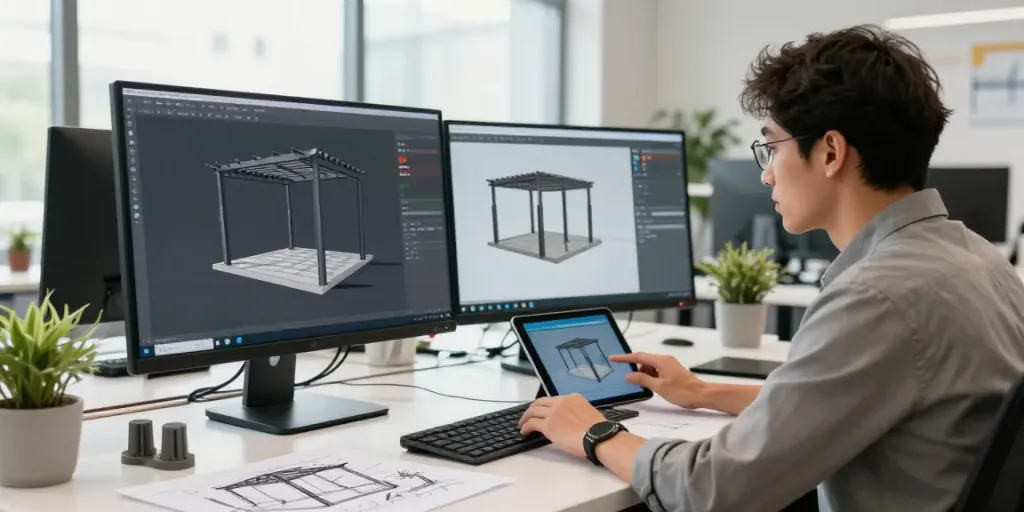
Understanding 3D Product Visualization Software
In today’s fast-paced digital landscape, 3D product visualization software has emerged as a game-changer for businesses seeking to enhance customer engagement and sales processes. This innovative technology allows brands to create realistic digital representations of their products, enabling customers to explore every feature and detail from the comfort of their homes. As the e-commerce sector continues to expand, understanding the role of 3D visualization becomes paramount for both businesses and consumers alike.
What is 3D Product Visualization?
3D product visualization refers to the process of using software to create photorealistic digital models of products. These models can be manipulated and viewed from various angles, giving potential buyers a comprehensive understanding of the product's design, functionality, and dimensions. Unlike traditional photography, which captures a static image, 3D visualization provides interactive experiences that can be accessed on multiple devices.
Benefits of Utilizing 3D Visualization Software
- Enhanced Customer Engagement: Customers are more likely to engage with a product that they can view in 3D. This interactivity fosters a deeper connection and helps potential buyers feel more confident in their purchasing decisions.
- Reduction in Returns: By providing clear and accurate representations of products, businesses can help customers understand what they are buying, ultimately reducing the likelihood of returns due to mismatch expectations.
- Efficient Design Processes: Designers and manufacturers can utilize 3D visualization to streamline product development, allowing for quicker iterations and modifications based on feedback.
- Cost Savings: 3D visualization eliminates the need for extensive photoshoots and physical prototypes, significantly reducing costs associated with product marketing.
How 3D Visualization Enhances Customer Experience
Incorporating 3D visualization into the customer journey dramatically elevates the shopping experience. Potential buyers can explore various configurations, colors, and features, enabling them to customize products according to their preferences. Furthermore, 3D visualizations can be used in augmented reality (AR) applications, allowing customers to see how products would look in their own spaces, thereby enhancing the purchasing decision process.
Core Features of Effective 3D Product Visualization Software
Interactive Configurators and Customer Engagement
Interactive configurators are one of the standout features of advanced 3D visualization software. These tools empower customers to adjust dimensions, select finishes, and modify other product attributes in real-time, creating a tailored experience. This level of engagement not only captivates customers but also significantly increases conversion rates by allowing them to visualize their choices before purchase.
Realistic Rendering Techniques for Better Insights
Effective 3D visualization software leverages advanced rendering techniques to create lifelike representations of products. The integration of realistic textures, light reflections, and shadowing enhances the overall quality of the visual presentation, providing customers with a true-to-life understanding of the product.
Integration with Sales and Marketing Tools
Seamless integration with existing sales and marketing tools is essential for maximizing the benefits of 3D product visualization. Software that can easily connect with e-commerce platforms, CRM systems, and marketing automation tools offers a consolidated workspace, allowing teams to track customer interactions and optimize sales strategies efficiently.
Implementing 3D Visualization Software for Your Business
Steps to Choosing the Right Software
Selecting the right 3D visualization software is a critical step in enhancing your business's capabilities. Businesses should consider factors such as compatibility with existing systems, ease of use, the quality of renderings, and customer support. Conducting thorough research and trials will help ensure that you choose a solution that best fits your needs and objectives.
Best Practices for Software Implementation
Successful implementation of 3D visualization software requires careful planning and execution. Establishing clear goals, providing adequate training, and allowing for a transition period can significantly impact the effectiveness of the integration process. Regular feedback from users should be sought to make necessary adjustments and improvements.
Training Your Team for Optimal Usage
To maximize the potential of 3D visualization software, businesses must invest in training their teams. Comprehensive training programs help staff understand how to use the software effectively, ensuring that they can take full advantage of its features to enhance customer interactions and streamline sales processes.
Case Studies: Success Stories Using 3D Product Visualization
Increased Sales Through Effective Visualization
Numerous businesses have reported substantial increases in sales as a result of adopting 3D visualization technology. For example, a leading furniture retailer that implemented a 3D configurator on their website saw a 25% increase in online sales within the first quarter, as customers were able to customize furniture to fit their home dimensions and styles.
Transforming Customer Relationships with Interactive Design
Companies leveraging 3D product visualization have also transformed their customer relationships. By offering interactive experiences that allow users to engage with the product, businesses foster stronger connections and greater loyalty, resulting in repeat purchases and recommendations.
Industry-Specific Use Cases of 3D Visualization
Different industries can benefit from 3D product visualization in unique ways. For instance, in the automotive industry, 3D visualization can showcase vehicle features and customizations, while in architecture, it can provide clients with a detailed view of building designs and materials. The flexibility and adaptability of 3D visualization make it an invaluable tool across sectors.
The Future of 3D Product Visualization Software
Emerging Trends in Visualization Technology for 2026
As technology continues to evolve, 3D product visualization will embrace innovations such as artificial intelligence and machine learning, which will enhance rendering accuracy and speed. Furthermore, the integration of virtual and augmented reality will provide customers with even more immersive experiences, transforming the way products are marketed and sold.
How AR and VR are Shaping Customer Interactions
Augmented reality (AR) and virtual reality (VR) are set to revolutionize customer interactions with products. AR applications allow customers to visualize how products will look in their environment through their mobile devices, while VR provides a fully immersive shopping experience, making online shopping feel more tangible and interactive.
Preparing Your Business for Future Changes
To stay competitive in the ever-evolving marketplace, businesses must remain adaptable and forward-thinking. This includes investing in the latest 3D visualization technologies, continuously training staff, and being open to exploring new ways of engaging customers through innovative digital experiences.