The Joy of Giant Building Blocks
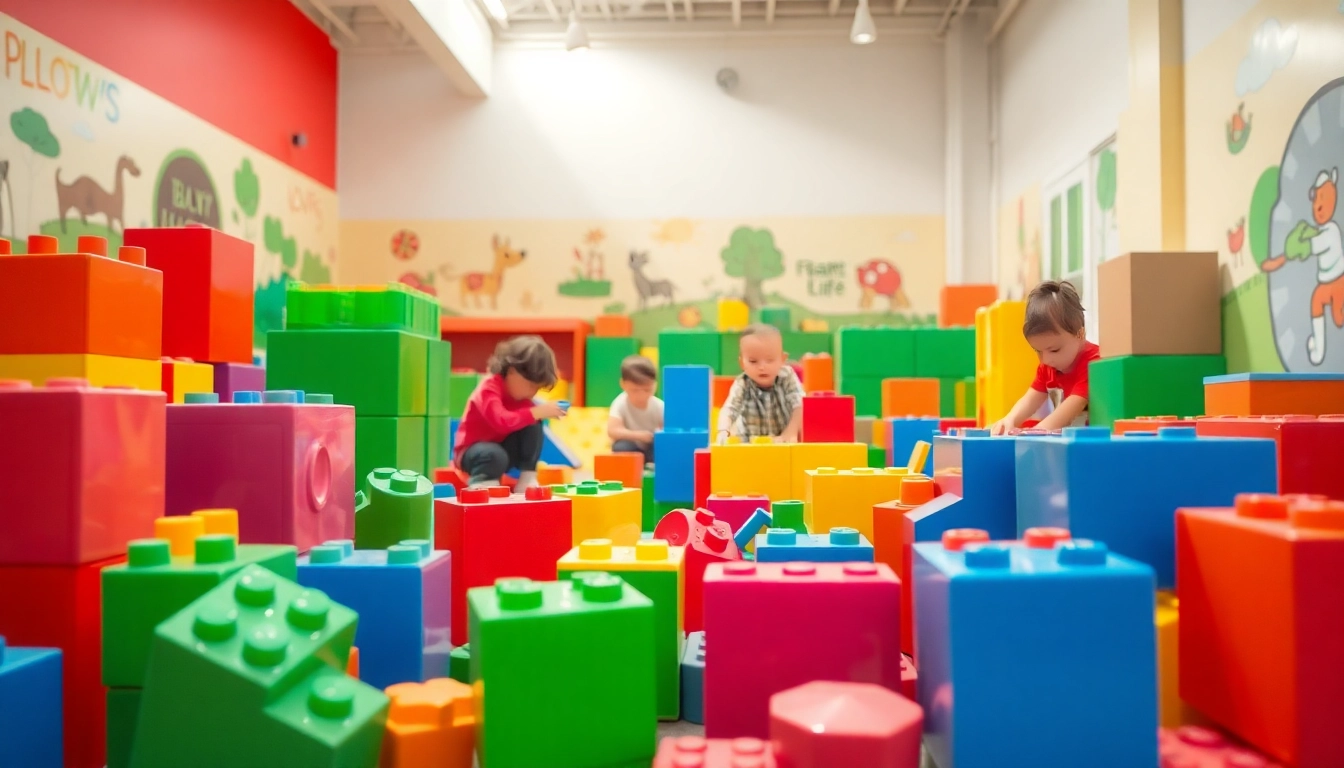
Giant building blocks are more than just oversized toys; they are gateways to imaginative adventures and creative exploration. These uniquely designed blocks captivate the hearts of children and bring endless joy during playtime. The tactile experience of stacking, building, and knocking down a fort made of these colossal blocks is something that resonates deeply with kids. They provide a multitude of opportunities for creativity and self-expression, all while advancing crucial developmental skills. For additional information on the advantages of giant building blocks, read on.
Why Children Love Them
The appeal of giant building blocks can be traced back to several key factors that resonate with children. First and foremost, their size allows kids to feel powerful and in control. The sheer act of lifting and placing such large objects is empowering, promoting self-confidence and a sense of accomplishment. Moreover, the freedom to create structures from their wildest imaginations provides a canvas for creativity.
Additionally, these blocks can easily transform into various themes: a towering castle one moment and a rocket ship the next. This versatility engages children’s imaginations and encourages them to explore different narratives during playtime. The physical aspect of manipulating large blocks also appeals to visceral, physical play, satisfying a child's innate need for active engagement.
Benefits for Development
Engaging with giant building blocks offers numerous developmental benefits for children. First, tactile involvement enhances fine motor skills, improving hand-eye coordination. As children grasp, stack, and balance these large blocks, they unknowingly refine these critical skills.
Moreover, when children collaborate on building projects, they develop social skills such as teamwork and communication. They learn to share ideas, negotiate roles, and even settle conflicts, all of which are essential life skills. The problem-solving aspect of deciding how to construct a stable structure further enhances cognitive development, encouraging logical thinking and creativity.
Lastly, sensory experiences are heightened with giant blocks. Children become more aware of their environment and learn about cause and effect, such as what happens when a block is precariously balanced before toppling over. These lessons are foundational for their understanding of the world.
Safety Considerations
While giant building blocks can offer a treasure trove of fun and learning, safety should always be prioritized. It's essential to choose blocks that are made from non-toxic, child-safe materials to ensure safety during play. Ensure that the blocks have rounded edges to minimize injuries.
Moreover, setting up a designated play area free from sharp edges or dangerous objects will create a safe environment for children to engage in play. Supervision is paramount, especially during high-energy building sessions. Encouraging children to play within their limits and teaching them safe practices, such as not climbing on the stacked blocks, can prevent accidents.
Choosing the Right Set
Types of Giant Building Blocks
When it comes to selecting the right giant building block set, various types are available catering to different needs and preferences. The most common types include foam blocks, wooden blocks, and plastic blocks. Each type has its set of advantages.
Foam blocks are lightweight and great for younger children. They are soft, making them safe for indoor use while being easy to manipulate. Wooden blocks offer durability and a classic feel, but they can be heavier. Plastic blocks are typically more robust and weatherproof, making them suitable for outdoor play. Understanding the pros and cons of each type can help guide purchasing decisions.
Age Appropriateness
It’s essential to consider the age appropriateness of the giant building blocks chosen. For toddlers aged one to three, larger soft blocks are ideal to prevent choking hazards while fostering foundational skills in stacking and building. As children age, they can transition to more complex blocks that encourage engineering skills and advance creative thinking.
For preschoolers, a mixed set of different shapes and sizes can introduce lessons on balance and symmetry. By the time children reach elementary age, they may be ready for more complicated sets that can challenge their creativity and problem-solving abilities.
Durability and Safety Features
Durability is a crucial element when considering giant building blocks. A good set of blocks should withstand the rigorous play of curious children. Look for blocks with reinforced seams, sturdiness, and high-quality material that endure wear and tear. Safety features such as stability and non-slip surfaces are also significant to prevent accidents.
Additionally, some blocks come with added safety features like anti-bacterial finishes, which can be particularly beneficial for hygiene-conscious families. Proper research into the construction of the blocks and safety certifications can ensure that you are making a wise investment that prioritizes children's safety.
Setting Up an Indoor Adventure
Designing the Play Space
Transforming any indoor area into a vibrant play space can elevate the imaginative experience with giant building blocks. Start by selecting a suitable location, such as a spacious room or an area that’s easily modified.
Consider using soft mats or carpets to create a safe surface. Arrange the blocks in a way that invites exploration, perhaps by creating different zones for various types of creative play such as a building area, a themed zone, and a quiet reading corner.
Use vibrant decorations that enhance the atmosphere—think colorful wall art, lighting, and interactive elements like chalkboards or whiteboards where children can sketch their dream creations.
Incorporating Themes
Themed play can add significance and depth to activities with giant building blocks. Themes can range from a safari adventure or an outer space mission to a construction site or a castle. This allows children to engage in storytelling while they build.
To create a captivating theme, include relevant props such as toy animals for a jungle or astronaut figurines for a space setting. Using themed music or sounds can also enhance the mood, drawing children deeper into their imaginative pursuits.
Organizing Challenges and Games
Incorporating games and challenges can take playtime to the next level. Organize building challenges to foster creativity—like who can build the tallest tower or design a bridge that can support a specific weight.
Consider setting up team challenges that encourage collaborative building, enhancing teamwork skills. Games that incorporate problem-solving, such as creating a fortress that must withstand a ‘storm’ (represented by blowing air or light vibrations), can be both educational and fun.
Tips for Engaging Playtime
Encouraging Creativity
Fostering an environment conducive to creativity can significantly enhance the play experience with giant building blocks. Start by providing children with open-ended prompts or scenarios to inspire their constructions—like “build a fort to protect against pirates.”
Encourage free exploration where children can try various techniques and configurations without the fear of failure. Showcase their creations, giving them a sense of ownership and encouraging pride in their imaginative work.
Group Play Ideas
Group play can amplify the joy of building with giant blocks by introducing elements of collaboration and social interaction. Organize group challenges where teams must work together to construct a shared vision or compete against each other to build specific structures.
Consider using rotation or tag teams to increase engagement. Including roles, such as architects who design and builders who execute, can foster leadership skills while ensuring that everyone is involved and contributing.
Balancing Play and Learning
The blend of play and learning is a hallmark of using giant building blocks. Incorporating math—like counting blocks and measuring height—can naturally occur during play. Encourage conversations about shapes, balance, and structural integrity while building.
Storytelling can also be a powerful tool; have children narrate tales about their creations, linking imaginative play with literacy. Keeping a balance between structured activities and free play invites exploration and learning without making play feel too much like a chore.
Maintaining Your Building Blocks
Cleaning and Care
Regular maintenance is critical to ensuring the longevity of giant building blocks. Start by cleaning the blocks frequently to remove dirt, dust, and germs. Depending on the material, a simple mixture of mild soap and water can be effective.
For foam blocks, ensure they’re wiped down without soaking them to prevent damage. Wooden blocks may require a gentle buffing with a non-toxic wood conditioner to maintain their shine and integrity.
Storage Solutions
Organizing and storing giant building blocks can significantly enhance playtime experiences. Utilizing bins or baskets can make it easy for children to access their blocks and learn the importance of tidiness. Labeling storage containers can help children learn organizational skills and encourage ownership of their toys.
Consider establishing a system where children can have input on the storage process; this will boost engagement and responsibility for their belongings.
When to Replace
Over time, even the most durable giant building blocks may experience wear and tear. It’s crucial to regularly inspect blocks for any signs of damage, such as cracks or chips that could pose safety risks. If a block has deteriorated or no longer meets safety standards, it should be replaced.
Additionally, consider the developmental needs of your children. As they grow, they may require different types of blocks to match their advanced creative and cognitive capabilities. Regular assessments can ensure that play materials remain fresh and engaging.
FAQs
What are the benefits of giant building blocks for children?
Giant building blocks enhance fine motor skills, promote creativity, develop social abilities through teamwork, and encourage logical thinking through problem-solving challenges.
Are giant building blocks safe for toddlers?
Yes, as long as they are made from non-toxic materials and have rounded edges, giant building blocks are generally safe and suitable for toddlers.
How can I maintain giant building blocks?
Maintain your building blocks by regularly cleaning them, storing them in a dry place, and inspecting them for wear and tear to ensure they are safe to use.
Can giant building blocks be used outdoors?
Yes, many plastic giant building blocks are weatherproof and can be used outdoors. Ensure they are cleaned and stored properly after outdoor use to prolong their lifespan.
How do I choose the right size of blocks for my child?
Choosing blocks based on your child's age is essential. For toddlers, opt for larger, lighter blocks, while older children can handle heavier, more complex sets.