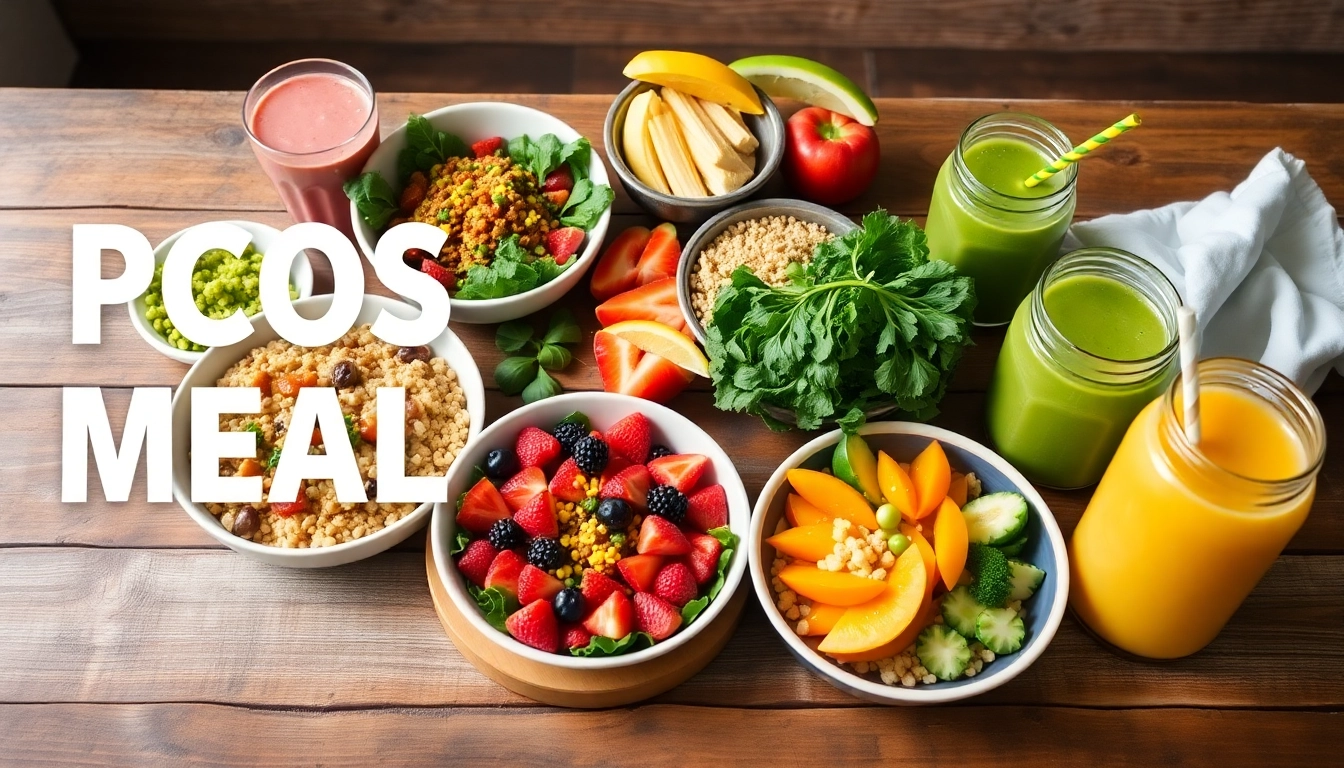
Understanding PCOS and Its Nutritional Needs
What is Polycystic Ovary Syndrome?
Polycystic Ovary Syndrome (PCOS) is a common hormonal disorder affecting individuals assigned female at birth, usually during their reproductive years. Characterized by an imbalance of reproductive hormones, PCOS can lead to irregular menstrual cycles, excess androgen levels, and polycystic ovaries. As a multifaceted condition, its symptoms can also contribute to weight gain, difficulty conceiving, and increased risk of metabolic disorders such as diabetes. Early diagnosis and a comprehensive treatment strategy can significantly help manage symptoms and mitigate the risk of long-term complications.
How Diet Influences PCOS Symptoms
A well-balanced diet plays a critical role in managing PCOS symptoms. Research suggests that dietary choices can help decrease insulin resistance, regulate menstrual cycles, and lower androgen levels. Following a pcos meal plan focuses on nutrient-dense foods and can mitigate the detrimental aspects of PCOS. This means prioritizing foods that promote stable blood sugar levels and support overall metabolic health.
Building Blocks of a Healthy PCOS Meal Plan
When constructing a meal plan for PCOS, it’s crucial to focus on whole foods tailored to individual needs. A successful PCOS diet includes an array of macronutrients balanced effectively to optimize health and well-being:
- Complex Carbohydrates: Opt for whole grains, legumes, and fiber-rich fruits and vegetables to regulate blood sugar and improve digestion.
- Lean Proteins: Incorporate sources like chicken, fish, beans, and lentils to support muscle mass and promote satiety.
- Healthy Fats: Include sources such as avocados, nuts, seeds, and olive oil, which can enhance hormone production and nutrient absorption.
- Vitamins and Minerals: Focus on a colorful plate, ensuring a diverse intake of vitamins and minerals necessary for hormone regulation.
Essential Foods for a PCOS-Friendly Diet
Whole Grains and Their Benefits
Whole grains are invaluable for anyone managing PCOS. Unlike refined carbohydrates, whole grains like brown rice, quinoa, and oats have a lower glycemic index, which helps maintain stable insulin levels. These high-fiber foods not only provide energy but also aid in digestion and promote feelings of fullness, making them an excellent choice for those looking to manage their weight.
Selecting Healthy Fats
Healthy fats are essential in a PCOS diet for several reasons. They support hormonal balance and can reduce inflammation. Sources like fatty fish (rich in omega-3 fatty acids), avocados, and nuts not only satisfy hunger but can also improve heart health, which is critical for individuals with PCOS who may be at greater risk for cardiovascular issues.
Importance of Protein in Each Meal
Protein is a cornerstone of an effective pcos meal plan. It promotes satiety, which can help manage cravings between meals. Protein-rich foods like eggs, meat, fish, tofu, and legumes should be incorporated into each meal to aid in maintaining stable blood sugar levels and mitigating insulin spikes post-meal.
Sample 7-Day PCOS Meal Plan
Daily Breakdown of Meals
Here is a sample 7-day pcos meal plan designed to provide balanced nutrition while addressing the unique dietary needs associated with PCOS:
Day 1
- Breakfast: Greek yogurt with berries and a sprinkle of chia seeds
- Lunch: Quinoa salad with kale, chickpeas, and olive oil dressing
- Dinner: Baked salmon with roasted sweet potatoes and broccoli
Day 2
- Breakfast: Scrambled eggs with spinach and whole-grain toast
- Lunch: Lentil soup with a side of mixed greens topped with nuts
- Dinner: Grilled chicken breast with brown rice and asparagus
Day 3
- Breakfast: Overnight oats topped with almond butter and banana
- Lunch: Whole grain wrap with turkey, avocado, and lettuce
- Dinner: Vegetable stir-fry with tofu over quinoa
Day 4
- Breakfast: Smoothie with spinach, fruit, and protein powder
- Lunch: Greek salad with feta cheese and olives
- Dinner: Stuffed bell peppers with brown rice and ground turkey
Day 5
- Breakfast: Cottage cheese with pineapple and walnuts
- Lunch: Chicken Caesar salad with romaine and light dressing
- Dinner: Baked cod with quinoa and steamed veggies
Day 6
- Breakfast: Chia pudding with coconut milk and mango
- Lunch: Vegetable soup with a whole grain roll
- Dinner: Turkey burgers with a side of sweet potato fries
Day 7
- Breakfast: Fruit salad with mixed berries and pumpkin seeds
- Lunch: Spinach salad with grilled shrimp and avocado
- Dinner: Whole-wheat pasta with marinara sauce and roasted vegetables
Snack Suggestions for PCOS
Healthy snacking is vital for maintaining energy levels throughout the day. Here are some healthy snack ideas:
- Apple slices with almond butter
- Carrot sticks with hummus
- Mixed nuts (unsalted)
- Low-fat cheese with whole-grain crackers
- Greek yogurt with a handful of granola
Cooking Tips for Quick Meal Prep
Meal preparation is fundamental to staying on track with your PCOS dietary goals. Here are key strategies:
- Batch cook proteins and grains at the beginning of the week.
- Pre-chop vegetables and store them in the fridge for quick access.
- Use slow cookers or instant pots to simplify cooking.
- Plan meals around similar ingredients to minimize waste.
Common Mistakes to Avoid with a PCOS Meal Plan
Overlooking Key Nutrients
A common mistake is not ensuring an adequate intake of key nutrients. Insufficient vitamins and minerals can exacerbate symptoms. Make sure to incorporate a variety of colorful fruits and vegetables to cover all bases.
Eating Irregular Meal Times
Skipping meals or having irregular eating patterns can lead to increased insulin resistance. Aim for three regular meals and healthy snacks within a structured time frame to enhance metabolic health.
Ignoring Portion Control
Portion control is often overlooked, contributing to unintended weight gain. Utilize smaller plates, measure portions if necessary, and listen to hunger cues to avoid overeating.
Frequently Asked Questions about PCOS Meal Planning
1. Can a pcos meal plan really help manage symptoms?
Yes, a well-structured pcos meal plan can help regulate hormonal balance and improve insulin sensitivity, significantly reducing symptoms associated with PCOS.
2. What types of carbohydrates should I include?
Focus on high-fiber, complex carbohydrates like whole grains and legumes to maintain stable blood sugar levels, which is crucial for managing PCOS symptoms.
3. How important is meal timing?
Regular meal timing is essential as it helps maintain energy levels, stabilizes blood sugar, and reduces cravings, all of which are important in managing PCOS effectively.
4. Should I avoid dairy completely?
It’s not necessary to eliminate dairy entirely. Choose low-fat options and pay attention to your body’s response to dairy products, adjusting as needed.
5. Is exercise essential along with a pcos meal plan?
Incorporating regular physical activity greatly complements your diet, aiding in weight management and helping to balance hormones, which is especially beneficial for managing PCOS.