Understanding Containerized Wastewater Treatment Systems
In an era where environmental sustainability and efficient resource management are paramount, containerized wastewater treatment systems have emerged as a transformative solution. These systems are designed to meet diverse water treatment challenges, ranging from municipal sewage to industrial effluent. By utilizing modular units, these systems not only comply with environmental regulations but are also adaptable, allowing for rapid deployment and operational flexibility.
What is a Containerized Wastewater Treatment System?
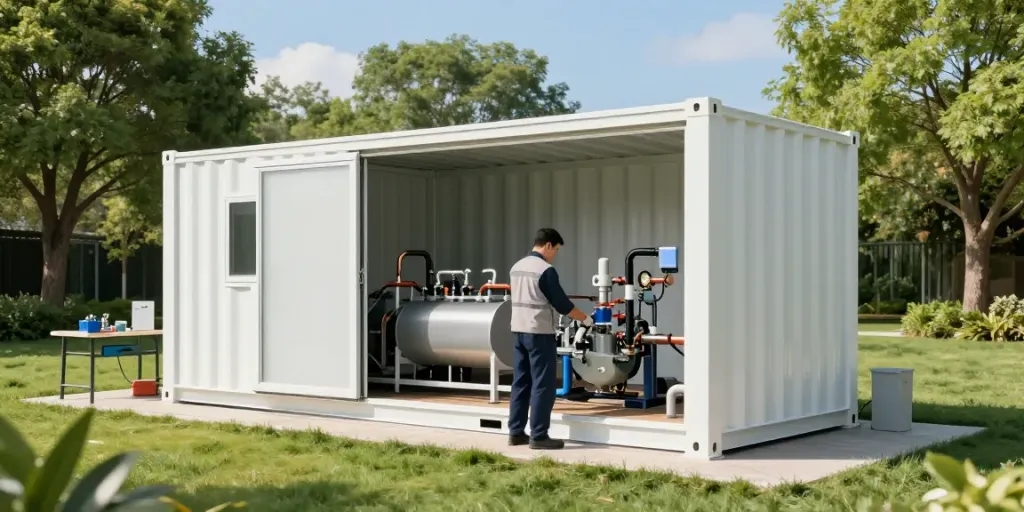
A containerized wastewater treatment system is a pre-engineered, fully integrated water treatment solution housed within a standard shipping container. These systems are engineered to facilitate effective wastewater management, providing an efficient alternative to traditional treatment facilities. They are particularly beneficial for remote locations or temporary setups, where quick installation and mobility are essential. The modular design allows these systems to be easily transported, installed, and operated, significantly reducing both the time and resources typically associated with wastewater management.
Key Components of Containerized Systems
The primary components of containerized wastewater treatment systems include:
- Primary Treatment Units: These units are responsible for the initial filtration and separation of solids from the wastewater.
- Secondary Treatment Units: Often employing biological treatment processes, secondary treatment units further reduce contaminants through microbial action.
- Disinfection Units: Necessary for eliminating pathogens, these units typically utilize methods such as chlorination, UV treatment, or ozonation.
- Control Systems: Integrated technology that allows for the monitoring and automation of treatment processes, ensuring optimal performance.
Advantages Over Traditional Wastewater Treatment
Containerized wastewater treatment systems offer several distinct advantages compared to traditional treatment methods:
- Rapid Deployment: These systems can be operational in a matter of days, making them ideal for emergency situations or fast-track projects.
- Space Efficiency: The compact design allows them to be installed in locations where space is limited.
- Cost-Effectiveness: Reduced construction costs and the ability to transport units as needed can lead to significant savings.
- Versatility: Suitable for various applications, including domestic, industrial, and even disaster recovery situations.
Identifying Reliable Containerized Wastewater Treatment Solutions
With the growing demand for containerized wastewater treatment systems, navigating the market can be challenging. It's crucial to assess potential suppliers to ensure quality and reliability.
Common Red Flags in Supplier Practices
When evaluating potential suppliers, look out for the following red flags:
- Poor customer service or lack of responsiveness to inquiries.
- Unsubstantiated claims about performance or efficiency without supporting data.
- A history of negative customer testimonials or lack of references.
Evaluating Quality Certifications and Standards
Quality certifications such as ISO 9001 for quality management systems or ISO 14001 for environmental management can be indicators of a reliable supplier. Ensure that the systems offered comply with local and international wastewater treatment standards.
Importance of Client Testimonials and Case Studies
Client testimonials and documented case studies provide valuable insights into the effectiveness and reliability of a supplier's technology. Look for specific examples of successful implementations that demonstrate the supplier's capability in various contexts.
Cost Considerations for Containerized Wastewater Treatments
The investment required for containerized wastewater treatment systems can vary widely depending on several factors, including system size, technology, and the specific needs of the application.
Typical Pricing Models and Packages
Pricing for these systems typically follows a modular approach. Suppliers may offer different packages based on components included, capacity specifications, and additional services such as installation and maintenance.
Hidden Costs to Look Out For
Be vigilant about potential hidden costs that could inflate the overall expenditure. Common hidden costs include:
- Transportation and logistics fees.
- Costs associated with site preparation and installation.
- Future maintenance and operational costs.
Cost-Benefit Analysis Comparing Options
Conducting a comprehensive cost-benefit analysis can help organizations understand the long-term savings associated with containerized systems compared to traditional solutions. Consider factors such as operational efficiency, compliance with regulations, and potential savings on labor and maintenance costs.
Implementation Challenges in Containerized Wastewater Treatment
While containerized systems offer many advantages, businesses must be aware of and prepared for implementation challenges.
Common Misconceptions and Obstacles
One common misconception is that containerized systems require extensive infrastructure to operate effectively. In reality, many systems can function independently without the need for significant pre-existing setups, provided they're correctly sized and specified.
Best Practices for Seamless Deployment
To ensure a smooth deployment process, follow these best practices:
- Engage in thorough site assessments to determine the most suitable location for installation.
- Prepare comprehensive training for onsite personnel to manage operations efficiently.
- Establish a clear communication protocol with the supplier for ongoing support.
Case Studies of Successful Implementations
Numerous case studies illustrate the effectiveness of containerized wastewater treatment systems in diverse industries. For instance, a mining company in a remote location successfully integrated a containerized solution that reduced their environmental footprint while meeting regulatory standards.
Future Trends in Wastewater Treatment Systems
The landscape of wastewater treatment is evolving rapidly, driven by technological advancements and changing regulatory environments.
Innovative Technologies to Watch in 2026
Emerging technologies such as advanced membrane processes, bioreactors, and artificial intelligence for monitoring and analytics are set to reshape the way wastewater is treated, enhancing efficiency and effectiveness.
Emerging Environmental Regulations and Standards
As environmental concerns continue to grow, expect stricter regulations regarding wastewater discharge and treatment to emerge. Companies will need to stay ahead of these changes to remain compliant and sustainable.
How Consumer Awareness is Shaping the Industry
Increased awareness of environmental issues among consumers is driving demand for sustainable practices in wastewater treatment. This shift is prompting businesses to adopt containerized solutions that reflect a commitment to eco-friendly practices.
What are the Benefits of Using Containerized Wastewater Treatment Systems?
Containerized systems offer robust solutions that are efficient, flexible, and effective in treating a wide range of wastewater applications. Their design promotes ease of use and scalability while ensuring compliance with environmental standards.
What is the Cost of Containerized Wastewater Treatment?
The cost of containerized systems varies based on configuration, technology, and site-specific requirements, making it essential for potential users to conduct thorough research and obtain quotes from multiple suppliers.
How Does Containerized Wastewater Treatment Work?
These systems operate by utilizing physical, biological, and chemical processes to treat wastewater effectively. Each component of the system works in synergy to achieve desired effluent quality standards.
What are the Environmental Benefits?
By reducing the footprint of treatment facilities and promoting the recycling of water resources, containerized systems contribute to lower greenhouse gas emissions and reduced water pollution.
What Maintenance is Required for Containerized Systems?
Routine maintenance, including inspections and servicing of equipment, is essential to ensure optimal performance. Operators should be trained to perform basic maintenance tasks and to identify potential issues early.
What Industries Benefit from Containerized Wastewater Treatment?
Industries such as construction, mining, and hospitality have leveraged containerized wastewater treatment systems to manage their wastewater efficiently and sustainably, often resulting in cost savings and compliance with local regulations.