Understanding the Basics of Birding
What is a Life List?
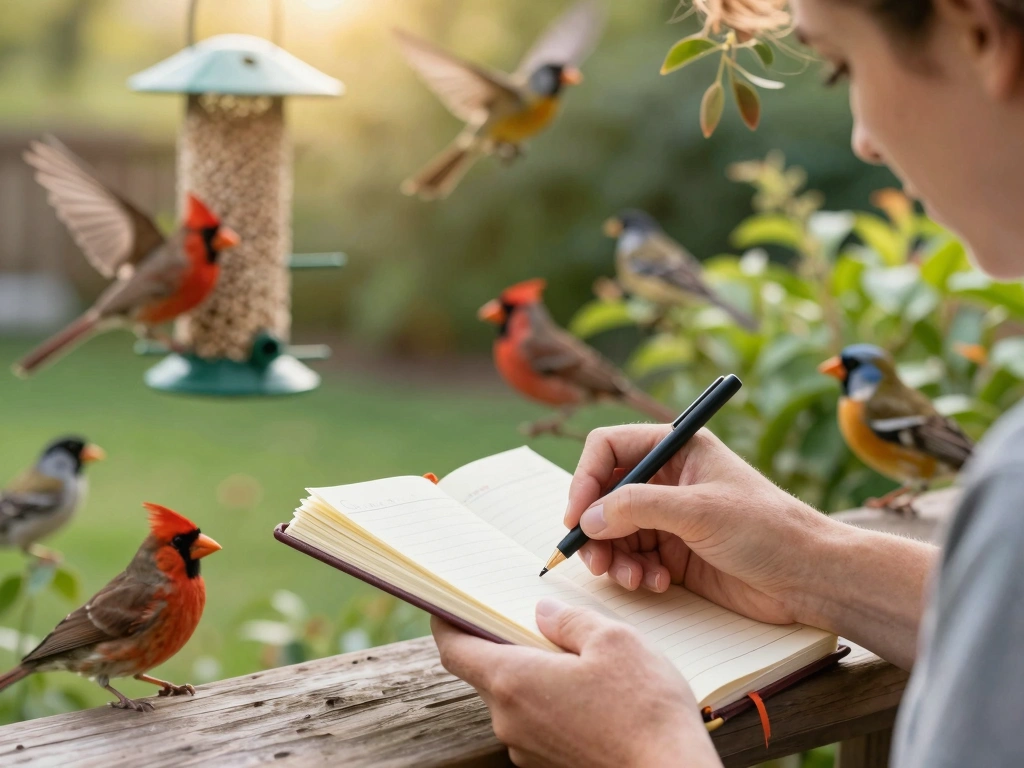
A life list is a personal catalog of all the bird species an individual has identified in their lifetime. Birders keep this list to track their observations, celebrate their discoveries, and improve their birding skills. For many enthusiasts, the thrill of adding a new species to their life list is one of the most rewarding aspects of birding. Typically, a life list is ranked by the date of observation, location, and sometimes even the conditions under which the bird was seen.
The Importance of Backyard Birding
Backyard birding is an accessible and fulfilling way to engage with nature without needing to travel far. It allows individuals to connect with local wildlife, learn about the species in their area, and develop a deeper appreciation for the ecosystem. Additionally, starting a life list from your backyard can be a wonderful introduction to birdwatching, as it offers a comfortable and familiar setting for observation. Birding at home can also spark a passion for conservation, as you become more aware of the birds' needs and habitat preservation.
Essential Birding Terminology
To start your backyard birding adventure, it’s important to familiarize yourself with some key terms:
- Field Guide: A book or resource that helps identify bird species by providing descriptions, images, and information about their behavior and habitats.
- Binoculars: A pair of telescopic lenses used to observe birds from a distance.
- Migration: The seasonal movement of birds between breeding and wintering grounds.
- Song: The vocalization of birds, often used for communication between mates or to establish territory.
- Habitat: The natural environment where a species lives, including food sources, nesting sites, and shelter.
Setting Up Your Backyard for Birdwatching
Choosing the Right Location
To successfully attract birds to your backyard, it’s essential to select an ideal location for birdwatching. Look for a spot that offers a clear view of your yard while providing cover and safety for birds. Ideally, this area should be quiet and free from disturbances.
Consider these factors when choosing your location:
- Visibility: Ensure you have a good line of sight to areas where birds are likely to feed or nest.
- Cover: Birds feel safer when they have nearby trees, shrubs, or other structures to hide in.
- Accessibility: Choose a spot that is easy for you to reach, whether you're sitting in a chair, standing, or using binoculars.
Creating a Bird-Friendly Environment
Creating a welcoming and hospitable environment for birds involves planning your backyard accordingly. Here are some effective ways to enhance your backyard for birding:
- Plant Native Vegetation: Native plants provide food and shelter for local bird species. For instance, planting native flowering plants like coneflowers or sunflowers can attract seed-eating birds.
- Provide Nesting Sites: Install birdhouses that cater to different species, such as bluebirds or wrens, and ensure they are placed at the right height and location.
- Limit Pesticide Use: Reducing chemical use in your garden ensures a safe environment for birds and their food sources.
Essential Bird Feeders and Baths
Investing in quality bird feeders and baths is vital for attracting a variety of bird species to your backyard. Here’s a guide to essential products:
- Seed Feeders: These are ideal for attracting small birds like finches and sparrows. Tube feeders with small perches are particularly effective.
- Suet Feeders: Suet is a high-energy food that attracts woodpeckers, nuthatches, and other insect-eating birds. Use wire cages or suet blocks.
- Nectar Feeders: Hummingbirds are attracted to nectar feeders filled with a sugar-water solution (1 part sugar to 4 parts water). Make sure to clean these feeders regularly to prevent mold growth.
- Bird Baths: A shallow bird bath with a gentle slope provides birds with a safe place to drink and bathe. Adding a heater during winter can keep the water from freezing.
Identifying Birds in Your Backyard
Using Field Guides and Apps
To effectively identify the birds in your backyard, you’ll want to use field guides and mobile apps. Field guides, such as the Peterson Field Guide to Birds of North America or Sibley Birds Eastern/Western, provide detailed images and descriptions that can help you distinguish between species.
Mobile apps like Merlin Bird ID or iBird offer an interactive way to identify birds through photos and sounds. These apps often include a feature where you can input your location and the color of the bird, which narrows down your options quickly.
Common Backyard Birds to Look For
When starting your life list, you can expect to see a variety of bird species. Here’s a list of common birds that frequent backyards:
- American Robin: Known for its orange-red breast, the American robin is often seen hopping around lawns in search of worms.
- House Sparrow: A small, brown bird that is commonly found in urban areas, easily recognized by its chirping sounds.
- Blue Jay: With its vibrant blue color and loud calls, the blue jay is an unmistakable presence in many backyards.
- Goldfinch: The bright yellow color of male American goldfinches makes them a cheerful sight in gardens.
- Downy Woodpecker: This small woodpecker often visits suet feeders and has a distinctive black and white pattern.
Tips for Observing Bird Behavior
Understanding bird behavior can enhance your observation experience and help you identify species more accurately. Here are some tips:
- Observe Feeding Habits: Take note of what birds are eating, whether it’s seeds, insects, or nectar. This can help you identify species based on their diet.
- Watch for Nesting: Look for signs of nesting activity, such as birds carrying twigs or other materials. This can be a great way to determine what species are breeding in your area.
- Listen to Vocalizations: Pay attention to the different calls and songs; many birds have distinct sounds that can aid in identification.
Documenting Your Birding Experience
How to Keep Your Life List
Keeping an organized life list is essential for tracking your birding progress. Here are a few methods to maintain your list:
- Notebook Method: Maintain a dedicated notebook where you can jot down the date, location, and species observed, along with any additional notes.
- Digital Spreadsheets: Use a spreadsheet program to create a digital life list. This allows for easy sorting, searching, and updating.
- Birding Apps: Consider using apps like eBird which allow you to log your sightings, share them with others, and analyze your birding trends over time.
Taking Notes and Photographs
Documenting your birding experiences with notes and photographs not only enriches your knowledge but also serves as a personal record. Here are some strategies:
- Descriptive Notes: Write down details such as the bird's size, color patterns, behavior, and location. This will help solidify your memory of the sighting.
- Photography: Consider using a camera with a zoom lens to capture images of the birds. Even smartphone cameras can work well if you’re in close proximity.
- Sketching: If you enjoy drawing, sketching the birds you see can be a creative way to document your experiences.
Sharing Your List with the Community
Engaging with other birders can enhance your birding experience and help you learn more about local species. Consider these options for sharing your list:
- Online Forums and Social Media: Join birding forums or social media groups where you can share your observations, get advice, and connect with other bird enthusiasts.
- Local Birding Clubs: Many towns and cities have birding clubs that offer workshops, guided birdwatching trips, and opportunities to share your life list.
- Participate in Bird Counts: Events like the Annual Christmas Bird Count allow you to contribute data while meeting fellow birders.
Expanding Your Birding Horizons
Joining Birding Groups and Communities
Joining local birding groups can greatly enhance your experience. These communities often provide mentorship, access to exclusive birding spots, and group outings. Look for local chapters of organizations like the National Audubon Society or the American Birding Association. Participating in group activities can also add new species to your life list as you explore new areas with experienced birders.
Participating in Citizen Science Projects
Citizen science projects are an excellent way to contribute to bird conservation while expanding your knowledge. Programs like eBird and the Great Backyard Bird Count invite birders to report their sightings, helping researchers monitor bird populations and migration patterns. Engaging in these projects not only helps scientists but also connects you with a broader community of bird lovers.
Planning Birding Trips Beyond Your Backyard
Once you have built a solid foundation of backyard birding, consider planning trips to different habitats or regions. Here are some tips:
- Research Local Hotspots: Identify birding hotspots in your area or further afield. Websites like Birding Hotspots can provide valuable information.
- Attend Bird Festivals: Many regions host bird festivals, which include guided birdwatching tours, workshops, and opportunities to see rare species.
- Travel with a Purpose: Plan vacations around birding opportunities. National parks, wildlife refuges, and coastal areas often boast diverse bird populations.
Starting your backyard birding life list is a rewarding and educational hobby that connects you with nature and the environment. By following the steps outlined in this article, you can create a welcoming space for birds, identify species, document your sightings, and engage with the birding community. Embrace the journey of birdwatching, and enjoy the thrill of discovering the feathered friends that share your backyard.