Understanding the Telehandler and Its Functions
What is a Telehandler?
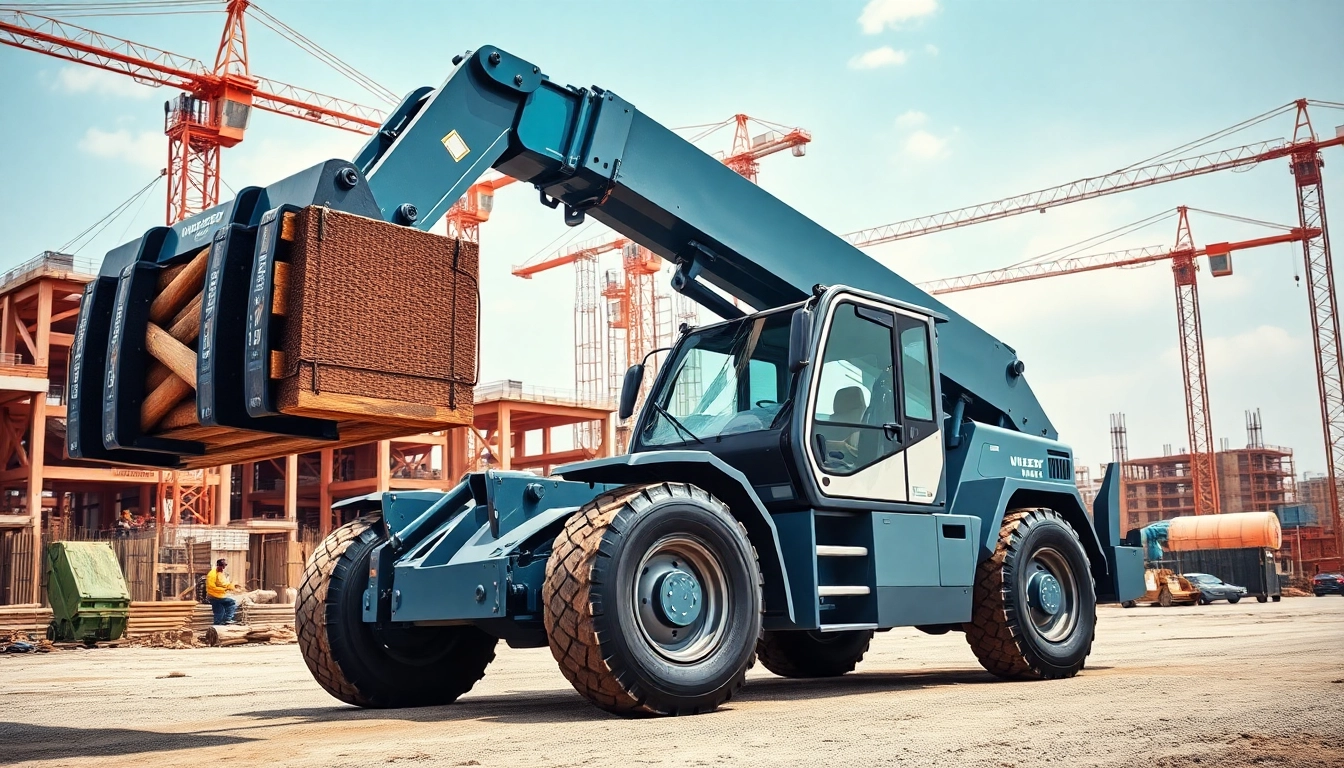
A telehandler, also known as a telescopic handler, is a versatile lifting machine that has gained popularity in various industries due to its unique ability to reach high places and lift heavy loads. With an extended boom that can retract and extend, the telehandler is designed to perform tasks that typically require several different types of equipment. This adaptability makes it ideal for construction sites, agricultural settings, and industrial applications. Furthermore, it can be equipped with various attachments such as forks, buckets, and winches, enhancing its utility even further. For those considering enhancing their operational capabilities, understanding the potential of a telehandler can be a game changer.
Key Features of a Telehandler
Telehandlers are characterized by several key features that distinguish them from other machinery:
- Telescopic Boom: This extendable arm enables operators to reach heights that are unattainable by standard forklifts.
- Versatility: With attachable tools and accessories, telehandlers can perform a wide range of functions beyond just lifting.
- Stability: Equipped with stabilizers, telehandlers maintain balance while handling heavy loads at extended heights.
- Off-Road Capability: Many telehandlers can navigate rough terrain, making them suitable for challenging job sites.
Applications of Telehandlers in Various Industries
Telehandlers serve multiple sectors:
- Construction: Ideal for moving materials to elevated areas and assisting with structural work.
- Agriculture: Used for lifting bales, placing feed, and transporting heavy equipment across farmlands.
- Landscaping: Useful for moving large loads of soil, rock, and plants to various locations with ease.
- Warehousing: Effective in stacking pallets and managing inventory, particularly in high shelves.
Types of Telehandlers and Their Specifications
Standard vs. Compact Telehandlers
Telehandlers come in different sizes designed for specific tasks:
- Standard Telehandlers: These are larger units with higher reach capabilities, ideal for heavy lifting and extensive reach.
- Compact Telehandlers: Smaller and more maneuverable, they're designed for tight spaces and lighter materials, perfect for residential jobs and constrained sites.
Lift Capacity and Reach Variants
Telehandlers vary in lift capacity ranging from 4,000 to over 12,000 pounds, depending on the model. Reach can also differ significantly:
- Short Reach Telehandlers: Ideal for tasks requiring less vertical height but more lateral power.
- Long Reach Telehandlers: Enhance ability to lift materials higher while maintaining stability.
Choosing the Right Telehandler for Your Needs
Selecting the appropriate telehandler involves assessing several factors:
- Project Requirements: Analyze what weight and height you'll need to manage.
- Site Conditions: Consider the terrain and space constraints to determine the telehandler size necessary.
- Attachments: Ensure compatibility with the attachments you plan to use for each specific job.
Benefits of Using a Telehandler
Increased Versatility and Flexibility
The flexibility of a telehandler allows it to adapt to various tasks with ease. By utilizing different attachments such as forks, buckets, or lifting platforms, one machine can effectively perform the work of multiple pieces of equipment. This not only optimizes space on the job site but also enhances productivity, simplifying the logistics of material handling.
Enhanced Safety Features
Modern telehandlers are equipped with safety features such as load sensors, stability indicators, and operator presence controls, significantly reducing accident risks. Training operators on these safety mechanisms is crucial for promoting a secure work environment, helping ensure that loads are handled safely and minimizing potential hazards.
Cost-Effectiveness of Telehandler Rentals
Renting a telehandler is often more economical than purchasing one, especially for short-term projects. This approach allows companies to avoid upfront costs and maintenance expenses, instead benefiting from having access to the latest models and technologies when needed. Rental agreements can be flexible and tailored to fit specific project durations and requirements.
Operating a Telehandler: Best Practices
Training Requirements for Operators
Proper training is essential for operators of telehandlers. Training should cover control mechanisms, load management, and operational safety protocols. Certified training programs can provide practical experience and the necessary certifications needed to operate a telehandler effectively.
Safety Guidelines When Operating
Operators must adhere to the following safety guidelines:
- Always inspect the telehandler before use, checking for any maintenance needs or damage.
- Never exceed the maximum load capacity or reach limits.
- Maintain a clear view of the area while operating, using spotters if needed.
- Keep the boom low during transportation to maintain stability.
Maintenance Tips for Longevity
To ensure a telehandler operates efficiently over its lifespan, routine maintenance is vital. Regular checks of hydraulic fluids, tire pressure, and structural integrity can prevent breakdowns. Establishing a maintenance schedule can help manage these needs proactively, ensuring the machine remains reliable and functional.
Frequently Asked Questions about Telehandlers
What is the weight capacity of a standard telehandler?
Standard telehandlers typically have weight capacities ranging from 4,000 to 12,000 pounds, though specific models may vary.
Can telehandlers be used on rough terrains?
Yes, many telehandlers are designed for rough terrain, offering features like larger tires and enhanced stability to navigate uneven surfaces.
What attachments can be used with a telehandler?
Common attachments for telehandlers include forks, buckets, grapples, and winches, allowing for diverse applications across jobsites.
How does a telehandler compare to a forklift?
While both lift heavy loads, telehandlers offer greater vertical reach and flexibility with attachments, making them more versatile than traditional forklifts.
What safety features should I look for in a telehandler?
When selecting a telehandler, look for features such as load management systems, stability indicators, and emergency shut-off controls to enhance safety.
Contact Information
Call Us: 4062607988Address: 3906 MT-40, Columbia Falls, MT 59912