
Understanding the Marathon Running Belt
What is a Marathon Running Belt?
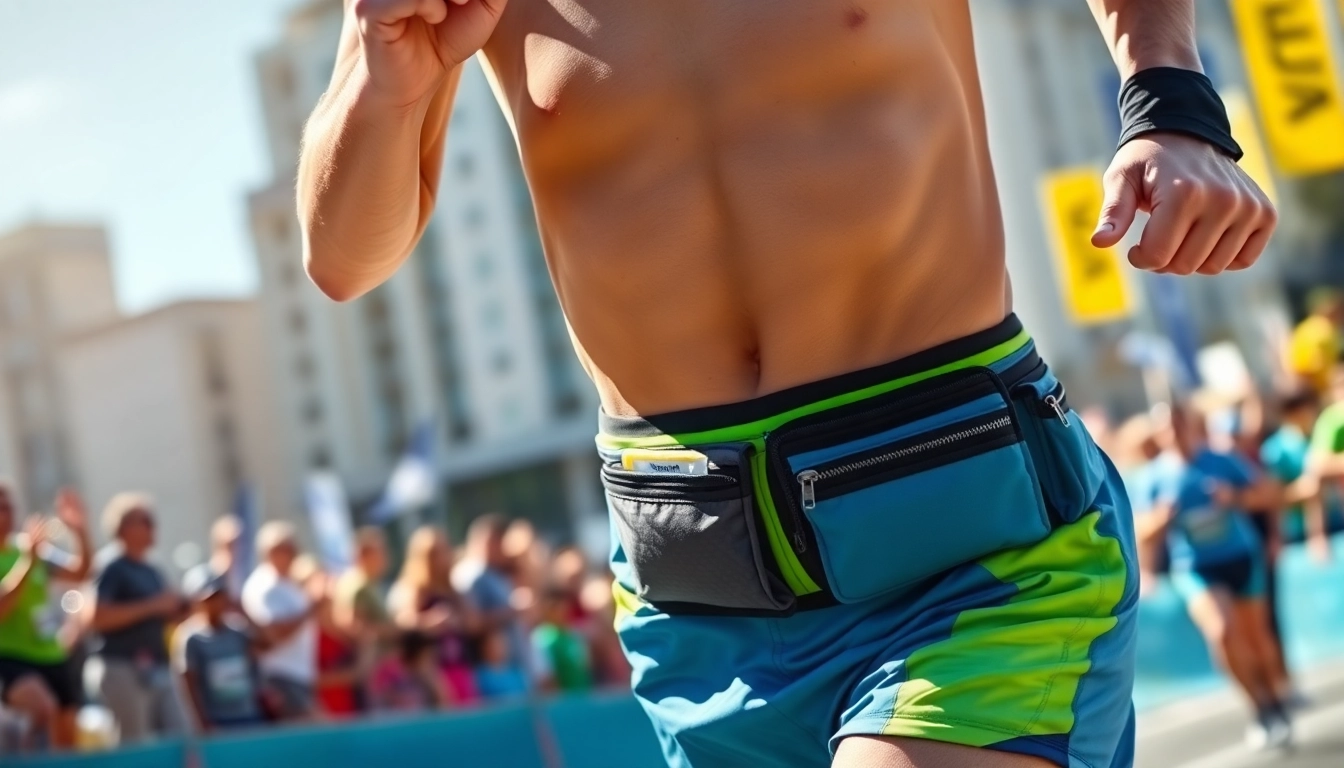
A marathon running belt is a specially designed, lightweight strap worn around the waist to securely carry essential items during a run. It typically features pockets or pouches to store items such as water bottles, energy gels, keys, and phones. Unlike traditional backpacks, marathon running belts are streamlined and ergonomically designed to minimize bulk and provide a comfortable fit. Their purpose is to ensure that runners can access their necessities easily without hindering their performance or mobility on the course. In essence, a good marathon running belt serves as a mobile aid, allowing athletes to focus on their run rather than worrying about their supplies. Many opt for a marathon running belt to enhance their training and racing experience.
Benefits of Using a Marathon Running Belt
Utilizing a marathon running belt offers a multitude of advantages for both casual and serious runners. Here are some of the key benefits:
- Convenience: With designated pockets, runners can carry hydration and nutrition essentials without the hassle of fiddling through their clothes or larger bags.
- Lightweight design: Most running belts are constructed from lightweight, breathable materials, ensuring that they don’t add unnecessary weight during a race.
- Stability: A well-fitted belt will stay in place without bouncing, allowing for a more comfortable running experience.
- Improved Performance: By having easy access to hydration and snacks, runners can maintain their energy levels, which may enhance their performance and stamina.
- Versatility: While primarily used for marathon running, these belts can also be utilized in various other outdoor activities, making them a valuable addition to any athlete's gear.
Types of Marathon Running Belts
Marathon running belts come in various styles and types based on design and purpose. Here are some of the most common types:
- Hydration Belts: Equipped with pouches specifically for water bottles, these belts often include extra storage for gels and other essentials.
- Storage Belts: Primarily designed to hold personal items such as phones and keys, storage belts are typically lighter and focus less on carrying water.
- Elastic Belts: Made entirely of elastic material, they provide a no-bounce experience as they comfortably hug the body.
- Hybrid Belts: Combining features of hydration and storage belts, hybrid belts offer a compact solution for runners carrying both water and personal items.
Choosing the Right Marathon Running Belt
Key Features to Consider
Selecting the ideal marathon running belt hinges on several key features that can enhance user experience:
- Fit and Comfort: Ensure that the belt is adjustable and fits snugly without constricting. Look for breathable materials to reduce chafing during longer runs.
- Pockets and Storage Capacity: Assess how many pockets you need and the size required based on what you plan to carry. Some runners might only need space for keys and a phone, while others may need multiple water bottle holders.
- Weight and Material: Lightweight, moisture-wicking fabrics are preferable for comfort and durability. Avoid heavy materials that can weigh you down during longer runs.
- Reflective Elements: If you run in low light conditions, choose a belt with reflective elements to enhance visibility and safety.
How to Measure for the Perfect Fit
To ensure your marathon running belt fits perfectly, follow these steps:
- Measure Your Waist: Use a soft measuring tape to measure around your waist at the point you intend to wear the belt. This measurement will serve as a guideline for sizes.
- Check Size Charts: Refer to specific size charts provided by manufacturers as sizing may vary across brands. Choose a size that falls comfortably within your range.
- Consider Adjustability: Opt for belts with adjustable features to allow for comfortable fittings across a range of clothing styles and body movements.
Top Brands to Consider
While it’s important to consider specific brands for quality assurance, choosing a marathon running belt often comes down to personal preference and experience. Here are a few notable brands the running community often recommends:
- Brand A: Known for their durable and stylish designs, offering a range of options catering to various preferences.
- Brand B: Famous for their innovative technology and user-friendly features, emphasizing performance and comfort.
- Brand C: Popular among marathon enthusiasts for their reliability and plethora of sizes and color options.
How to Use a Marathon Running Belt Effectively
Packing Essentials for Races
When preparing for a race, consider what essentials to carry in your marathon running belt:
- Water or Electrolyte Drinks: Plan how much hydration you will need. Opt for lightweight, easy-to-carry bottles that fit snugly into your belt.
- Energy Gels or Snacks: Pack easily consumable energy sources to maintain stamina; gels are popular for their convenience.
- Identification and Emergency Information: It’s wise to carry a form of ID and emergency contact details in case of unforeseen circumstances.
- Phone: If you’re planning to track your run or need to stay connected, ensure your phone fits comfortably and securely in the designated pocket.
Adjusting the Belt for Comfort
To maximize the effectiveness of your marathon running belt:
- Positioning: Wear the belt on your hips or the small of your back, depending on which feels more stable and comfortable for you.
- Tightness: Make sure it’s tight enough to stay in place without causing discomfort or restricting movement. You should be able to comfortably fit a finger between the belt and your waist.
- Test It: Before race day, test the belt during training runs to ensure it doesn’t chafe or bounce as you move.
Maintaining Hydration During Your Run
Staying hydrated is crucial for optimal performance. Here are a few tips:
- Plan for Hydration: Determine your hydration needs based on the race distance, weather conditions, and personal preferences.
- Practice Sipping: During training sessions, practice sipping from the water bottles in your belt to ensure you can do this seamlessly while running without losing speed.
- Use Electrolytes Wisely: If you opt for electrolyte drinks, keep in mind to alternate them with plain water for balance.
Common Mistakes with Marathon Running Belts
Overpacking Your Belt
One of the most common missteps is overpacking. This can lead to uncomfortable bouncing and a negative impact on your running efficiency. Always keep it simple: prioritize essentials, and don’t bring more than you need for the run.
Choosing the Wrong Size
Wearing a marathon running belt that doesn’t fit properly can lead to irritation and distraction. Always measure your waist according to the manufacturer's sizing guide and try to choose an adjustable option for maximum comfort.
Ignoring Security Features
Security is essential, especially if you carry valuables. Ensure your belt has reliable zippers, Velcro, or elastic closures that keep your items secure throughout your run, reducing the risk of loss or damage.
FAQs about Marathon Running Belts
What is a marathon running belt?
A marathon running belt is a lightweight strap worn during running to hold essentials like water, phones, and keys securely.
How do I clean my marathon running belt?
Most belts can be wiped clean with a damp cloth; check the manufacturer's instructions for specific cleaning advice.
Can I use a marathon running belt for other sports?
Yes, marathon running belts are versatile and can be used for hiking, cycling, and other outdoor activities.
Are marathon running belts adjustable?
Many marathon running belts feature adjustable sizing options to ensure a snug and comfortable fit during runs.
Will a marathon running belt bounce while running?
A properly sized and fitted marathon running belt should minimize bouncing, ensuring comfort and stability during runs.