Understanding the Forklift: Types and Uses
Introduction to Forklifts
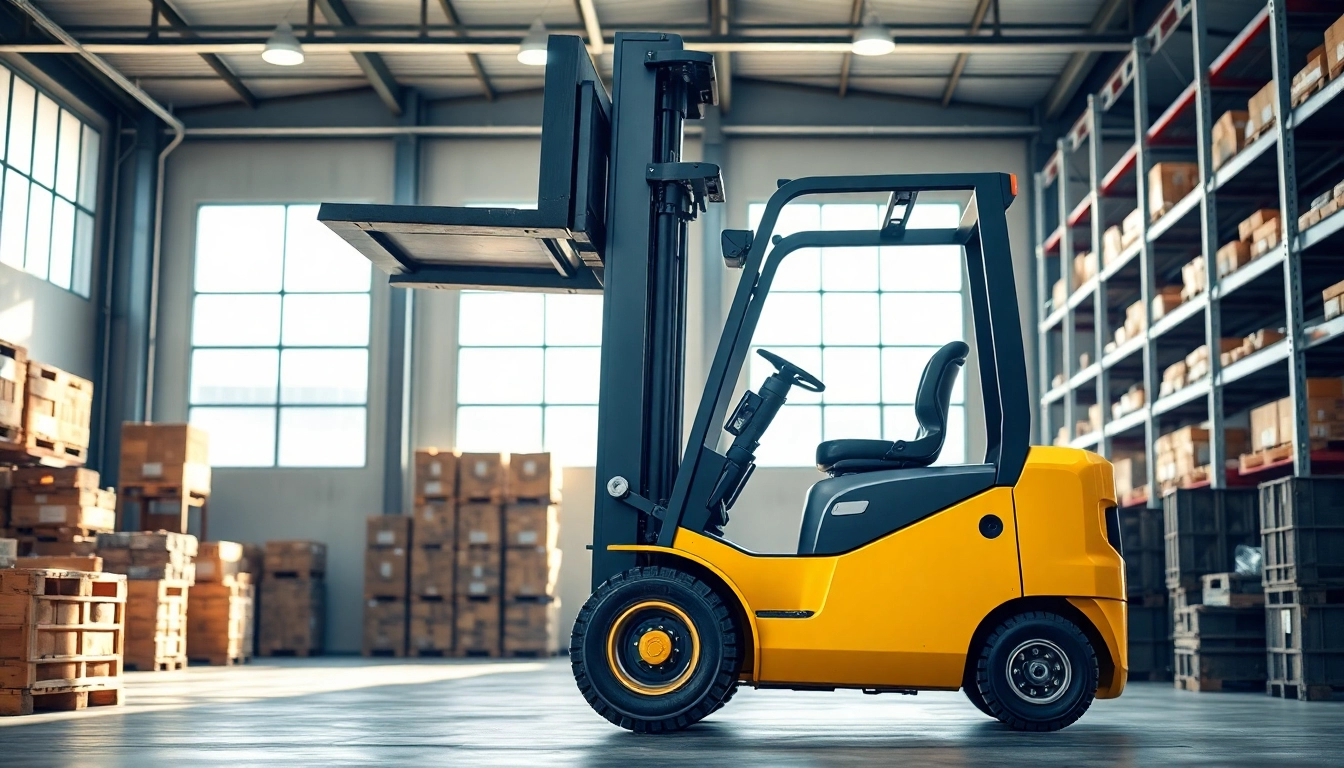
A forklift is a powerful industrial vehicle designed to lift and transport heavy materials. The versatility of this equipment makes it indispensable in various settings, from warehouses to construction sites. Understanding the fundamentals of forklifts is critical for efficient warehouse management and productivity. This section will explore the essential aspects of forklifts, their operation, and their value across industries.
Different Types of Forklifts
Forklifts come in various types, each suited for specific tasks and environments. Here are the principal classifications:
- Electric Motor Rider Forklifts (Class I): Ideal for indoor use, these forklifts are quiet and emission-free, making them perfect for warehouses.
- Electric Motor Narrow Aisle Forklifts (Class II): Designed for optimized space usage, they are perfect in narrow aisles where conventional forklifts cannot operate.
- Electric Pallet Jacks (Class III): These are more maneuverable and suited for moving palletized loads over short distances.
- Internal Combustion Cushion Tire Forklifts (Class IV): These are versatile and suitable for various surfaces, primarily indoors.
- Internal Combustion Pneumatic Tire Forklifts (Class V): These robust forklifts can handle uneven surfaces, making them ideal for outdoor use.
Use Cases for Forklift in Various Industries
The applications of forklifts span numerous fields:
- Warehouse Management: Forklifts facilitate the movement of goods and inventory management, helping to maintain the flow of operations.
- Construction Sites: They help in lifting heavy materials, such as concrete and steel, making construction tasks more efficient.
- Manufacturing: Forklifts transport raw materials and finished goods, streamlining production lines.
- Agriculture: Farmers use forklifts to handle bulk products, feed, and heavy equipment.
Forklift Safety Guidelines and Best Practices
Operator Training and Certification
Proper training and certification are critical for forklift operators to ensure safety in operation. Organizations must provide thorough training that covers:
- Understanding the operational mechanics of forklifts.
- Safety protocols for lifting and transporting loads.
- Emergency procedures in case of equipment failure or accidents.
Daily Safety Checks for Forklift Operation
Before each shift, operators should conduct safety checks. These include:
- Inspecting the forks for wear and damage.
- Ensuring that all safety features, such as lights and horns, function correctly.
- Checking the fluid levels, including oil and hydraulic fluids.
Common Hazards and How to Avoid Them
Forklift operations come with inherent hazards. Some common ones include:
- Overloading: Adhere to the load capacity limits printed on the forklift.
- Pedestrian Traffic: Always be aware of surroundings and communicate with others on the floor.
- Unstable Loads: Ensure loads are adequately secured before moving.
Choosing the Right Forklift for Your Business
Factors to Consider when Selecting a Forklift
When selecting a forklift, consider the following factors to ensure optimal performance for specific tasks:
- Weight Capacity: Assess the maximum load that the forklift will need to lift.
- Environment: Determine if the forklift will be operating indoors, outdoors, or in a hazardous environment.
- Maneuverability: Evaluate the space available for operation to choose the right type of forklift.
Forklift Specifications: Understanding Load Capacity
Understanding load capacity is crucial for safety and efficiency. Always refer to the manufacturer's specifications. Consider variables like:
- The maximum lift height.
- The maximum weight a forklift can handle based on load center.
- Attachment weights, if applicable.
New vs Used Forklift: What to Choose?
Choosing between new and used forklifts depends on budget, needs, and usage volume. Key considerations include:
- Cost: New forklifts often have higher upfront costs but lower maintenance needs.
- Condition: Used forklifts may save money, but assess their condition and previous usage.
- Warranty: New forklifts usually come with warranties, while used may not.
Maintaining Your Forklift for Optimal Performance
Routine Maintenance Tips for Forklift
Regular maintenance is essential for forklift longevity and safety:
- Schedule routine inspections based on usage frequency.
- Keep a maintenance log for tracking repairs and maintenance tasks.
- Replace worn-out parts immediately to prevent further issues.
Signs Your Forklift Needs Repairs
Watch for these signs that indicate your forklift may need repairs:
- Unusual noises during operation.
- Difficulty in lifting or maneuvering loads.
- Fluid leaks on the ground.
Hiring Professional Forklift Maintenance Services
If your capabilities to perform maintenance in-house are limited, hiring a professional service can ensure:
- Expert guidance on maintenance best practices.
- Assurance that repairs are performed safely and up to code.
- Access to specialized tools and equipment for complex repairs.
Future Innovations in Forklift Technology
Electric Forklifts and Sustainability
The trend towards electric forklifts is rising due to their environmental benefits and lower operating costs. Key advantages include:
- Reduced carbon footprint compared to gas-powered models.
- Lower noise levels, making them ideal for indoor use.
- Less maintenance required, resulting in cost savings over time.
Integrating Automation in Forklift Operation
As technology advances, automation is a game-changer in material handling. Automated forklifts can:
- Enhance productivity by operating continuously without breaks.
- Reduce human error and improve safety in high-density environments.
- Integrate with existing warehouse management systems for optimal efficiency.
The Future of Forklift in Material Handling
The future of forklifts will likely revolve around advancements that focus on:
- Smart technology integration for real-time monitoring.
- Increased use of drone technology in inventory management.
- Improved ergonomics for operator comfort and efficiency.
Frequently Asked Questions
What is the maximum weight a forklift can lift?
The maximum weight a forklift can lift varies by model and specifications, often ranging from 3,000 to 50,000 pounds. Always check specific forklift data.
How often should a forklift be serviced?
Forklifts should undergo routine maintenance checks regularly, often every 200 hours of operation, or at least every six months, depending on usage.
What safety equipment is necessary for operating a forklift?
Essential safety equipment includes hard hats, safety shoes, high visibility vests, and, in some cases, hearing protection to minimize risks while operating.
Can anyone operate a forklift?
No, operators must undergo training and obtain certification to ensure compliance with safety regulations and maintain safe work environments.
Are electric forklifts more expensive than gas forklifts?
Typically, electric forklifts have higher initial costs but lower operational and maintenance expenses, making them cost-effective long-term options.