Introduction to Play Therapy
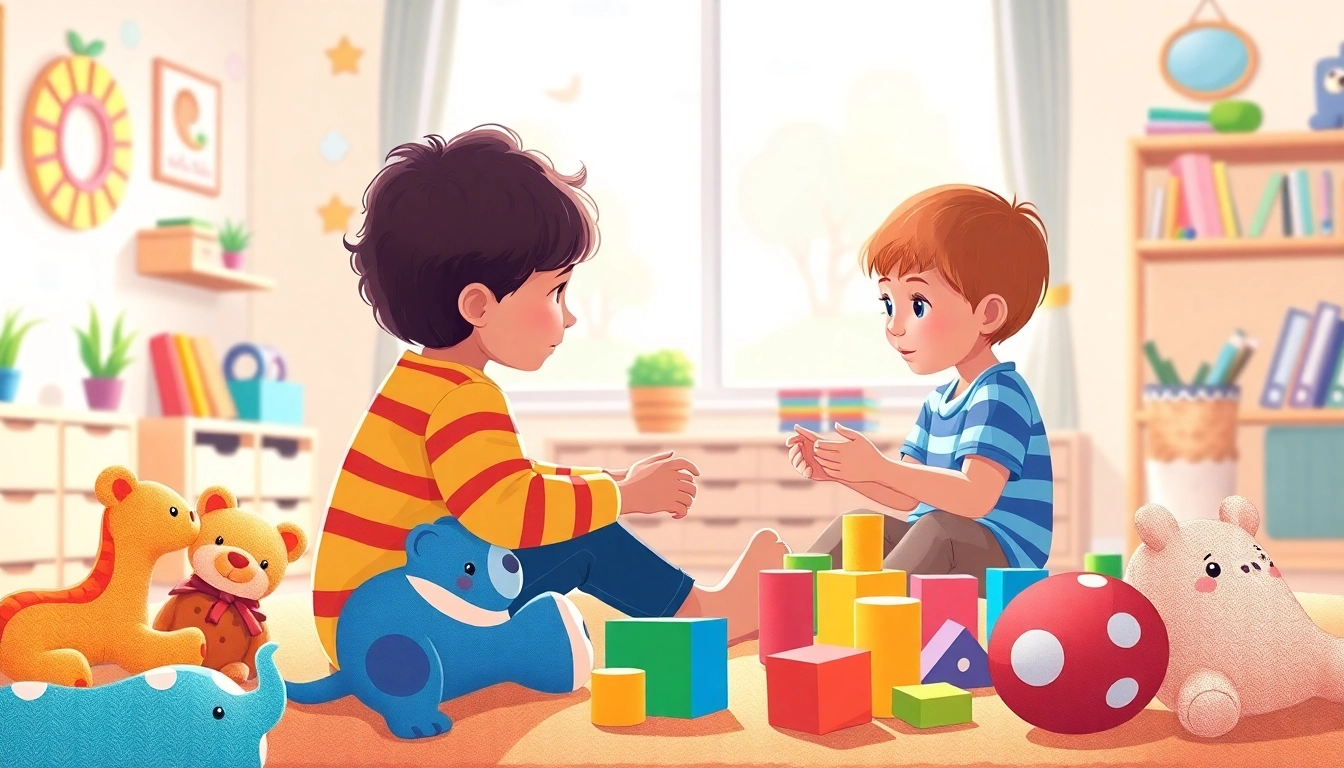
Play Therapy is an innovative therapeutic technique that engages children in play as a means of communication and expression. It provides a unique opportunity for children to explore their emotions, thoughts, and struggles in a therapeutic environment. Utilizing toys and games, therapists can observe and understand the child’s experience, making this method particularly effective for those who may struggle to articulate their feelings verbally. By harnessing the inherent therapeutic power of play, trained professionals help children to prevent or resolve psychosocial difficulties and achieve optimal growth. In this exploration of Play Therapy, we will delve into its significance, techniques, and the various benefits it offers to children.
What is Play Therapy?
Play Therapy is defined as the systematic use of a theoretical framework that focuses on the dynamics of interpersonal relationships in children. During these sessions, therapists create a safe environment where children can express themselves freely through play. This approach allows children who may have experienced trauma, anxiety, or behavioral issues to work through their challenges in a way that feels natural and safe to them. Through play therapy, children learn to resolve conflicts, express their feelings, and develop coping mechanisms essential for emotional and psychological well-being.
The Importance of Play in Child Development
Play is a vital component in the development of young children. It is through play that children learn to interact with the world around them, explore their identities, and understand social norms. Psychologists believe that play is the language of children; thus, it reflects their thoughts, feelings, and experiences. Engaging in play allows children to rehearse new skills, interact socially, and manage their emotions. Moreover, when children engage in imaginative play, they develop problem-solving skills and cognitive abilities, all crucial for their overall growth.
Key Principles of Play Therapy
Successful play therapy relies on several guiding principles:
- Building Trust: Establishing a trusting relationship between the therapist and child is foundational for effective therapy.
- Child-Centered Approach: The child leads the play, with the therapist observing and participating to facilitate emotional exploration.
- Expressive Mediums: By using toys and games, children can express their feelings in a non-threatening manner, revealing insights into their lives.
- Safe Environment: A non-judgmental and safe space allows children to explore complex feelings without fear of criticism.
Techniques and Approaches in Play Therapy
Different Types of Play Therapy Methods
There are several methods of Play Therapy, each tailored to meet the needs of specific children and their unique experiences:
- Directive Play Therapy: The therapist actively guides the sessions and provides specific activities to help the child address particular issues.
- Non-Directive Play Therapy: Children are allowed to lead their play, and the therapist supports their exploration without imposing specific goals.
- Art Therapy: Incorporating artistic expression, art therapy allows children to convey feelings through drawing, painting, or crafting.
- Group Play Therapy: This approach involves multiple children engaging in play, fostering social skills and peer relationships.
Techniques Used by Play Therapists
Play therapists employ various techniques to foster communication and emotional expression:
- Therapeutic Storytelling: Using stories to reflect emotions and challenges allows children to connect with their experiences in a safe way.
- Role Play: Children enact scenarios with toys, enabling them to process real-life situations and practice different outcomes.
- Sand Tray Therapy: Utilizing miniature figures in a sand tray, children create scenes that signify their inner feelings and conflicts.
- Imaginary Play: Engaging in imaginative play helps children confront fears and develop resilience.
The Role of the Therapist in Play Therapy
The therapist plays a crucial role in ensuring the effectiveness of Play Therapy. They are not just facilitators, but also observers and interpreters of the child’s behavior and emotional state. A skilled therapist cultivates a nurturing atmosphere that encourages children to express themselves freely. They must also be adaptable, altering their approaches based on the child’s responses and progression. Building a rapport with the child is paramount, as trust enhances the therapeutic experience and yields more meaningful insights.
Benefits of Play Therapy for Children
Enhancing Emotional Expression
One of the primary benefits of Play Therapy is its ability to enhance emotional expression in children. Many children have difficulty articulating their feelings verbally. Play provides a natural medium for them to express complex emotions and experiences that they might find hard to express in words. As they engage in play, children are more likely to reveal their fears, anxieties, and frustrations, allowing the therapist to guide them towards understanding and managing these feelings more effectively.
Facilitating Social Skills Development
Play Therapy also serves as a powerful tool for developing social skills. By interacting with therapists and other children in group settings, children learn essential skills such as sharing, taking turns, and empathizing. These skills are vital for building relationships and navigating social situations. Role-playing different scenarios can prepare children for real-life interactions, enhancing their confidence and social competence.
Addressing Behavioral Issues
Play Therapy is particularly effective in addressing various behavioral issues, including aggression, defiance, and anxiety. By providing children with tools to articulate their feelings, therapists can help them understand the root causes of their behaviors. As children gain insight into their actions through play, they learn alternative, healthy behaviors and coping mechanisms, ultimately leading to better behavioral outcomes.
How to Find a Play Therapist
Questions to Ask Potential Therapists
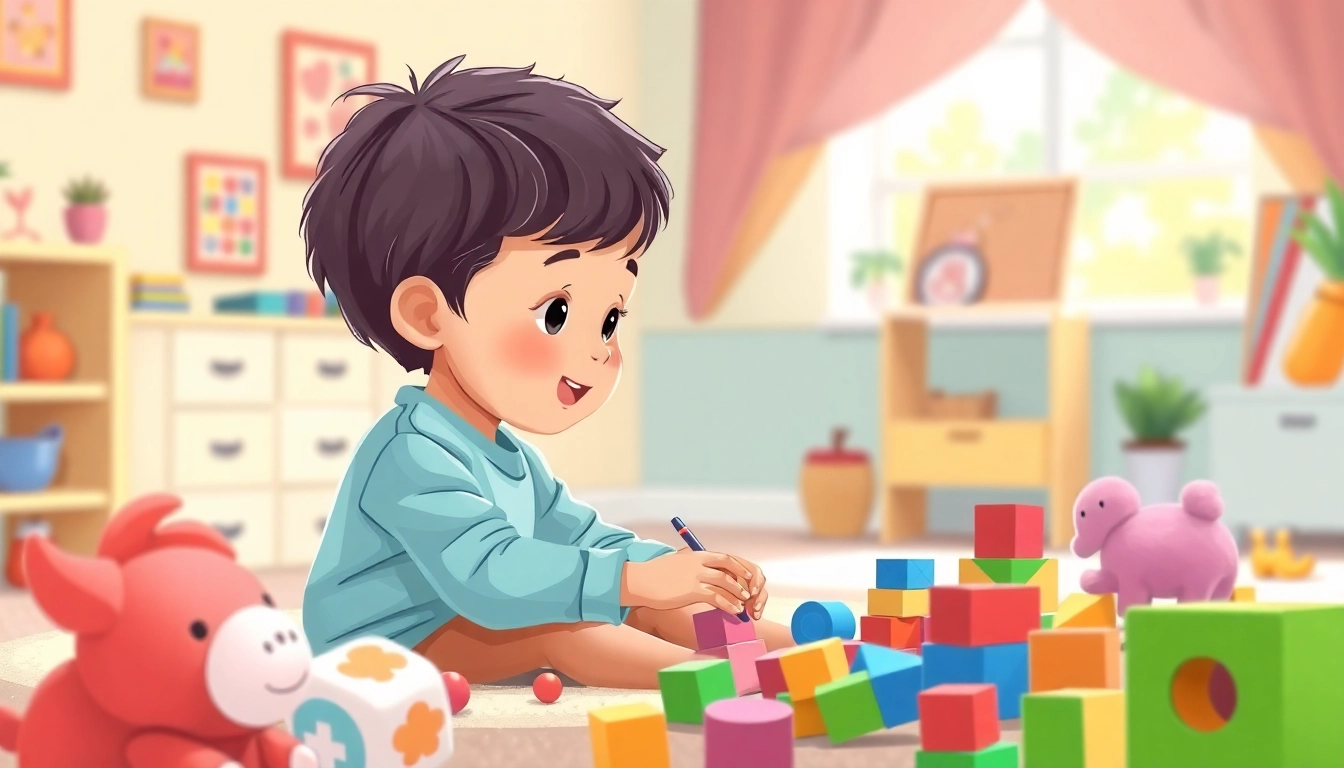
Finding the right Play Therapist is crucial for the success of therapy. Here are some questions to consider asking:
- What is your training and experience in Play Therapy?
- Can you describe your therapeutic approach and methods?
- How do you measure the progress of therapy?
- What strategies do you employ for a child with specific needs or challenges?
Understanding Credentials and Qualifications
It is essential to ensure that any therapist you consider is properly qualified and licensed to practice. Look for credentials such as Licensed Professional Counselor (LPC), Licensed Clinical Social Worker (LCSW), or similar designations related to mental health. Additionally, training in Play Therapy is an asset, so inquire about specific certifications or experiences in this area.
The Importance of a Good Fit for Therapy
The therapeutic alliance is critical to successful therapy outcomes. A good fit between the child and therapist enhances comfort and openness. When children feel safe and understood, they are more likely to engage in the therapeutic process. It can be helpful to arrange an initial consultation to assess the interaction before committing to ongoing sessions.
FAQs About Play Therapy
Does Play Therapy Help with Anxiety?
Yes, Play Therapy has been found to significantly reduce anxiety in children. By engaging in therapeutic play activities, children can confront their fears in a supportive environment.
How Long Does Play Therapy Typically Last?
Sessions generally occur weekly and can last several weeks to months, depending on the child's needs and progress, with an average of 20 sessions being common for resolving issues.
Is Play Therapy Effective for ADHD?
Studies show that Play Therapy can help children with ADHD improve behavior and impulse control through engaging and structured play, making it an effective intervention.
What Ages Can Benefit from Play Therapy?
Play Therapy is primarily designed for children aged 3 to 12. However, tailored approaches can benefit older children by adapting techniques for their developmental stage.
Can Play Therapy Assist with Trauma?
Absolutely, Play Therapy can assist children in processing trauma by allowing them to express difficult emotions through play, paving the way for healing and recovery.