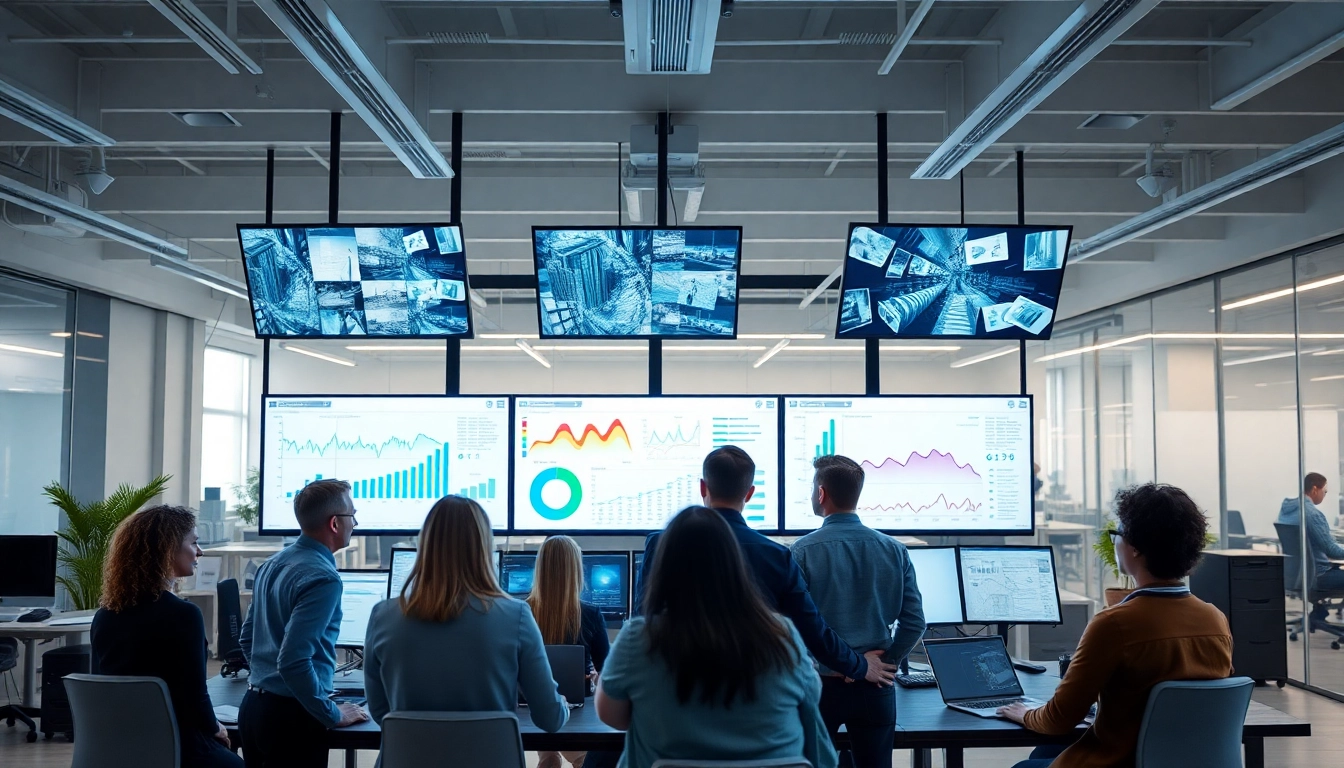
Introduction to Video Surveillance Analytics
The evolution of security technologies has given rise to advanced solutions that enhance our ability to monitor and interpret environments effectively. One such groundbreaking technology is video surveillance analytics, which transforms traditional video feeds into actionable insights. This comprehensive guide takes a deep dive into the world of video surveillance analytics, shedding light on its definitions, importance, components, and much more, equipping businesses with the knowledge needed to implement these systems effectively.
What is Video Surveillance Analytics?
Video surveillance analytics refers to the utilization of technology that analyzes video feeds in real-time to extract useful information. By leveraging algorithms and artificial intelligence, these systems interpret vast amounts of video data, recognizing patterns, detecting anomalies, and generating alerts. This intelligent analysis helps businesses mitigate risks and improve overall security.
Importance of Video Surveillance Analytics in Modern Security
In an age where security threats are increasingly sophisticated, having traditional surveillance systems is no longer adequate. Video surveillance analytics shifts from reactive monitoring to proactive management; instead of merely recording incidents, it anticipates and identifies potential threats before they escalate. This proactive approach saves costs, enhances response times, and fosters a safer environment both for businesses and their customers.
Key Components of Effective Video Surveillance Analytics
To achieve successful video surveillance analytics implementations, several key components are critical:
- High-Quality Cameras: The foundation of any surveillance system lies in its cameras. High-definition solutions provide clearer images for more accurate analysis.
- Advanced Software: Robust analytics software enables the interpretation of video feeds, identifying specific events and generating actionable insights.
- Machine Learning Algorithms: These algorithms improve over time by learning from the data they process, enhancing accuracy in detecting unusual activities.
- Integration Capabilities: Seamless integration with existing security infrastructure maximizes the value of both current systems and the new analytics solutions.
Types of Video Surveillance Analytics Technologies
Real-Time Event Detection Systems
Real-time event detection systems utilize sophisticated analytics to identify security threats and operational inefficiencies as they happen. These technologies typically include motion detection and behavior prediction, which allow for immediate alerts and responses to suspicious activities, thereby significantly reducing response time and potential losses.
Motion Detection and Object Classification
Motion detection technology enhances surveillance systems by analyzing movement patterns. Object classification takes this a step further by enabling systems to differentiate between various objects, such as people, vehicles, animals, or packages. This capability decreases false alerts and allows security personnel to focus on legitimate threats, optimizing their investigative efforts.
Integration with Artificial Intelligence
The integration of artificial intelligence (AI) revolutionizes video surveillance analytics, enabling systems to self-learn from their environment and user data. AI enhances accuracy, allowing surveillance systems to become smarter over time. It also facilitates sophisticated capabilities like facial recognition, license plate recognition, and behavior analysis—each of which enriches the security landscape significantly.
Implementing Video Surveillance Analytics Solutions
Steps for Effective Implementation
Successfully implementing video surveillance analytics requires a strategic approach:
- Assess Needs: Begin with a detailed evaluation of security needs and objectives within the organization.
- Choose Technology: Select cameras and analytics software that align with your security and operational goals.
- Establish Infrastructure: Ensure a robust network infrastructure to support data transfer and processing.
- Training and Testing: Conduct thorough training for the personnel involved in monitoring and response, accompanied by testing of the entire system.
Choosing the Right Software and Hardware
The choice of software and hardware is crucial for the success of video surveillance analytics. Opt for systems that offer user-friendly interfaces and provide extensive support for integration with other technologies. A well-thought-out selection process considers the specific needs of your business environment to ensure long-term satisfaction and effectiveness.
Common Challenges and Solutions
While implementing video surveillance analytics, organizations may face several common challenges:
- Data Overload: With vast amounts of data generated, identifying relevant information can be overwhelming. Establishing clear parameters for analysis helps to mitigate this issue.
- Privacy Concerns: Addressing privacy concerns is critical. Deploy transparency policies and ensure compliance with relevant regulations.
- Integration Issues: Combining new technology with existing infrastructure can be complex. Work with vendors who facilitate smooth integration.
Assessing the Benefits of Video Surveillance Analytics
Enhancing Security through Analytics
The primary function of video surveillance analytics is to enhance security measures. By providing real-time insights and alerts, it allows security teams to take immediate action against threats, reducing crime rates in various settings, from retail environments to public spaces.
Improving Operational Efficiency with Insights
Beyond security, analytics offer insights that help businesses streamline operations. For instance, retailers can analyze foot traffic patterns to optimize staff allocation, while warehouses can utilize inventory analytics to minimize down time.
Case Studies of Successful Implementations
Various sectors have benefited from successful implementations of video surveillance analytics. For instance, a large retail chain experienced a 30% reduction in theft after implementing analytics that enabled real-time alerts. Similarly, public transportation systems reported improved safety measures that have significantly increased passenger confidence.
Future Trends in Video Surveillance Analytics
The Role of AI and Machine Learning
The future of video surveillance analytics is closely intertwined with advancements in AI and machine learning. As algorithms become more sophisticated, they will enable deeper insights, automate routine tasks, and predict potential security breaches even before they occur.
Emerging Technologies in Surveillance
Emerging technologies, such as drone surveillance and cloud-based storage solutions, are set to change the landscape of video analytics. These technologies facilitate wider coverage, more efficient data management, and enhanced analytical capabilities.
Predictions for Market Growth and Development
The video surveillance analytics market is predicted to grow significantly as more organizations become aware of its benefits. Increased regulatory compliance needs and ongoing advancements in technology are expected to drive this growth, making it an essential part of security infrastructure in the future.
Frequently Asked Questions
What is the primary function of video surveillance analytics?
The primary function is to analyze video feeds in real-time, extracting actionable insights for improved security and operational efficiency.
How does video surveillance analytics enhance security?
It enhances security by providing immediate alerts on suspicious activities, enabling quicker response times and proactive threat management.
What technologies are commonly used in video surveillance analytics?
Technologies include motion detection systems, AI algorithms, cloud storage solutions, and high-definition cameras to monitor and analyze environments effectively.
Are there any privacy concerns associated with video surveillance analytics?
Yes, privacy concerns exist, necessitating clear policies and compliance with regulations to protect individuals’ rights and maintain trust.
What industries benefit most from video surveillance analytics?
Industries such as retail, transportation, healthcare, and education benefit significantly by improving security, safety, and operational efficiency.