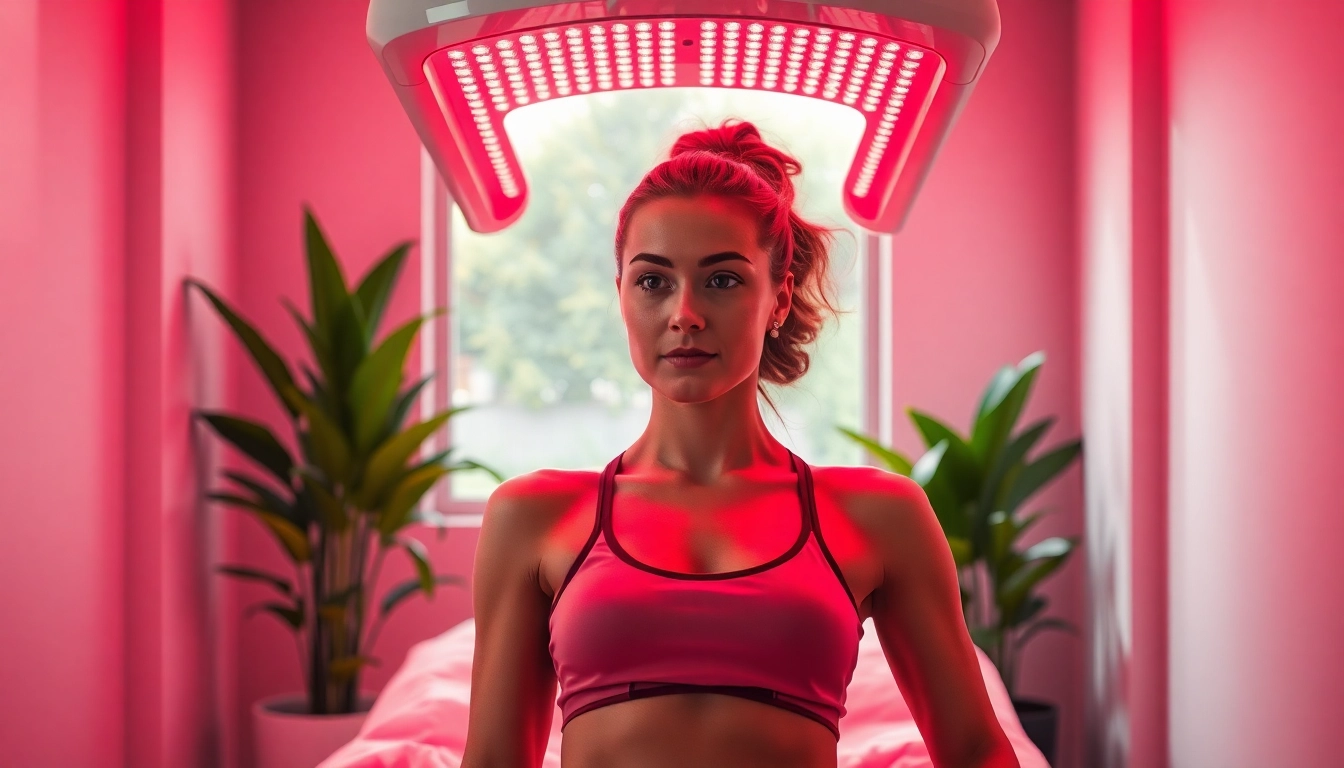
Understanding Red Light Therapy for Athletes
What is Red Light Therapy?
Red light therapy (RLT) is a non-invasive treatment that utilizes low-level wavelengths of red and near-infrared light to penetrate the skin. This therapeutic technique is gaining traction among athletes and fitness enthusiasts seeking improved performance and faster recovery times. The process involves directing specific wavelengths onto the targeted area, stimulating cellular function and promoting healing. With the right approach, red light therapy can serve as a valuable addition to any athlete’s regimen, enhancing overall health and well-being.
Benefits of Red Light Therapy for Athletes
For athletes, the advantages of red light therapy extend far beyond standard recovery practices. Here are several significant benefits:
- Accelerated Muscle Recovery: RLT has been shown to reduce muscle soreness and fatigue, helping athletes recover faster after intense training sessions.
- Enhanced Performance: By improving cellular energy production, red light therapy can increase stamina and athletic performance.
- Reduced Inflammation: RLT assists in decreasing inflammation in muscles and joints, which is crucial for both recovery and injury prevention.
- Pain Relief: The therapy effectively alleviates pain, providing relief from various sports-related injuries and chronic conditions.
- Improved Skin Health: Athletes often deal with skin issues due to UV exposure; RLT can help improve skin healing and reduce blemishes.
Mechanism of Action in Muscle Recovery
The effectiveness of red light therapy for muscle recovery lies in its ability to stimulate mitochondrial function. Mitochondria are often referred to as the "powerhouses" of cells, generating adenosine triphosphate (ATP)—the energy currency of the cell. Increased ATP production leads to enhanced cellular repair, improved blood flow, and better oxygenation of tissues. Additionally, RLT promotes the release of antioxidants, which neutralize harmful free radicals and further support recovery.
Applications of Red Light Therapy in Sports
Post-Workout Recovery
Incorporating red light therapy into a post-workout routine can significantly enhance recovery. Many athletes and trainers recommend using RLT shortly after a workout session to combat the symptoms of delayed onset muscle soreness (DOMS). The therapy’s anti-inflammatory effects can diminish swelling and facilitate faster healing of micro-tears in muscle fibers caused by intense training. By making RLT a staple in post-workout recovery, athletes can ensure their bodies are well-prepared for subsequent training sessions.
Injury Prevention Strategies
Injury prevention is a top priority for athletes at all levels. Red light therapy can play a critical role in maintaining optimal muscle performance and preventing injuries. Regular RLT sessions can help keep muscles flexible and decrease stiffness, ensuring that athletes stay agile and responsive. Furthermore, through improved circulation and enhanced cellular repair, RLT proactively strengthens tissues, making them more resilient against strains or tears.
Improving Muscle Performance
For athletes looking to push their limits, red light therapy can provide the edge needed to enhance muscle performance. Studies have indicated that athletes utilizing RLT experience better muscle endurance and strength gains compared to those who do not. By increasing ATP production, RLT allows muscles to work harder for longer periods, resulting in not only improved performance but also increased workout intensity.
How to Integrate Red Light Therapy in Your Routine
Setting Up a Therapy Schedule
To reap the full benefits of red light therapy, it is essential to establish a consistent therapy schedule. Athletes should aim for multiple sessions per week, especially during peak training phases or when recovering from an injury. A typical session lasts between 10 to 20 minutes, depending on the device and specific needs. Scheduling sessions before or after workouts can maximize the benefits, so it's advisable to experiment with timing to see what works best.
Choosing the Right Equipment
Selecting the appropriate red light therapy equipment is crucial for achieving optimal results. Athletes can choose between handheld devices for specific muscle areas or full-body panels for broader exposure. It is important to look for devices that emit wavelengths between 600 nm to 900 nm, as these have been shown to be the most effective for therapeutic purposes. Investing in quality equipment can make a significant difference in the effectiveness of the therapy.
Monitoring Progress Effectively
Monitoring progress while utilizing red light therapy is vital for assessing its impact and effectiveness. Athletes should keep track of their training intensity, recovery times, and any recurring muscle soreness or injuries. Keeping a journal or using apps can help compare performance metrics over time to identify patterns and adjust therapy schedules accordingly. Adapting the amount and frequency of treatments based on personal experience ensures that athletes maximize the benefits of RLT.
Evidence and Research Supporting Its Effectiveness
Clinical Studies on Athletic Performance
Numerous studies have explored the impact of red light therapy on athletic performance. Research consistently indicates that RLT leads to significant improvements in exercise recovery, muscle mass, and overall performance. For example, athletes undergoing RLT showed reduced muscle fatigue and quicker recovery times compared to control groups, highlighting its efficacy as a sports therapy tool.
User Testimonials and Experiences
Personal experiences from athletes who have integrated RLT into their training regimens reflect its positive impact on performance and recovery. Many report experiencing substantial pain relief and faster recovery, enabling them to engage in more intensive workouts and achieve their goals. These testimonials further support the scientific findings, illustrating RLT’s ability to assist athletes in reaching their peak performance.
Comparative Results with Other Therapies
When comparing red light therapy to other recovery modalities—such as cryotherapy, compression therapy, and electrical stimulation—RLT holds its ground with unique benefits that enhance muscle recovery without the discomfort often associated with other treatments. While each method has its place, RLT’s non-invasive nature and ease of use make it an attractive option for athletes looking for effective recovery solutions.
FAQs About Red Light Therapy for Athletes
How often should athletes use red light therapy?
Athletes should aim for 3-5 sessions per week to maximize benefits, especially around intense training periods. Experimenting with frequency can help identify an optimal routine.
Is red light therapy safe for all athletes?
Generally, red light therapy is safe for most athletes. However, those with specific medical conditions should consult healthcare professionals before starting treatment.
Can I use red light therapy at home?
Yes, many athletes use at-home red light therapy devices for convenience. Portable options are available for effective use without the need for professional settings.
What should I expect during a session?
During a session, athletes typically lie down near the device for 10-20 minutes. The procedure is painless, with a warm sensation being the most common feedback.
Where can I find red light therapy services in St. Albert?
You can explore various healthcare professionals or clinics offering red light therapy. Searching for red light therapy for athletes St. Albert can help locate services near you.
The Business Hub Contact Information
Our Business:Redefined HealthEmail Us:[email protected]Phone Number:+1 780-760-1550Address:20 Sir Winston Churchill Ave #4, St. Albert, AB T8N 2W5, Canada