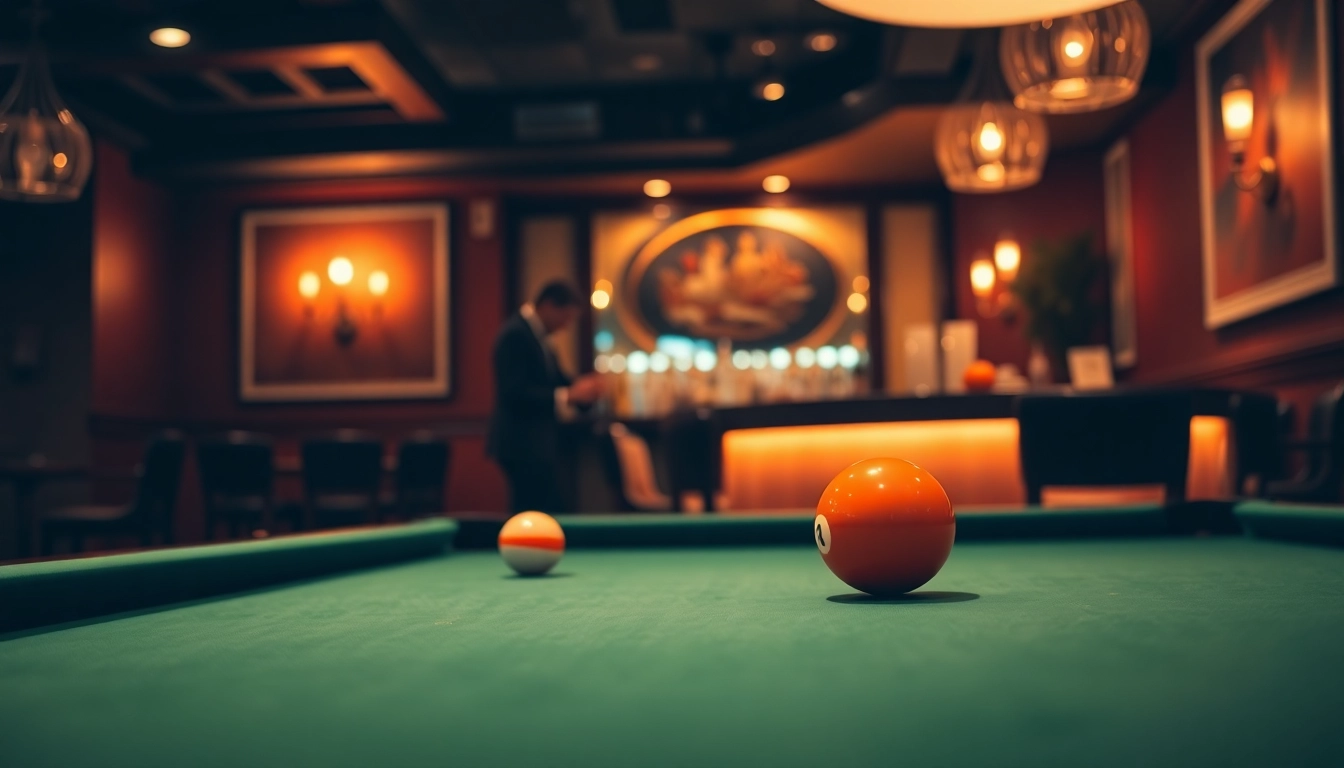
Introduction to Billiards
Billiards is more than just a game; it's an art form that combines intricate skill, precision, and strategy. Originating centuries ago, it has evolved into various styles, each offering different challenges and experiences. Whether you're a seasoned player or a newcomer looking to learn, understanding the nuances of Billiards is essential for appreciation and mastery.
Understanding Billiards: A Brief History
The history of billiards can be traced back to the 15th century, with its roots in France. Originally played outdoors on grass, it was later transitioned to a table. By the 17th century, billiards had become a popular indoor pastime in England and elsewhere. The game quickly transformed, leading to the development of distinct variants like carom and pool. Each period in its history has contributed to the game's rich tradition and the myriad techniques used today.
The Basics of Billiards: Equipment You Need
To enjoy billiards, several key pieces of equipment are essential:
- Billiards Table: Standard dimensions vary, but a 9-foot table is common for professional play.
- Cue Sticks: The instrument of the game, cue sticks come in various weights and lengths to suit individual preferences.
- Balls: Typically 18 to 22 oz., billiard balls are usually a set of 16, including one cue ball and 15 object balls.
- Chalk: Applied to the tip of the cue, chalk increases friction, providing better control over the cue ball.
- Bridge: For shots requiring extra reach, a bridge assists in stabilizing the cue.
Common Challenges Faced by Billiards Players
Learning billiards can be challenging. Players often grapple with various issues, including:
- Stroke Control: Mastering a consistent stroke is fundamental but difficult for many beginners.
- Aiming: Accurately aligning shots demands practice and an understanding of angles and deflections.
- Game Strategy: Knowing when to play aggressively or defensively can be overwhelming without experience.
- Patience: Billiards requires a calm mindset and the ability to focus for prolonged periods.
Essential Billiards Techniques
Stance and Grip: The Foundation of Your Game
To play billiards effectively, adopting the right stance and grip is crucial:
- Stance: Position your feet shoulder-width apart for stability. Keep your weight slightly forward for better balance and control.
- Grip: Hold the cue lightly with your dominant hand. A relaxed grip aids in smoother strokes and better follow-through.
- Body Alignment: Your body should align with the shot direction, creating a straight line from the cue to the target ball.
Aim and Shot Alignment: Getting It Right
Aiming can often make or break a shot:
- Sighting: Keep your head directly above the cue, focusing on both the object ball and the intended pocket.
- Practice Line-Up: Use alignment aids or create imaginary lines to guide your aim during practice.
- Follow-Through: A smooth follow-through ensures that your shot is executed with precision.
Using Spin: Elevating Your Billiards Skills
Understanding how to use spin can take your billiards game to the next level:
- Top Spin: Hitting the cue ball above its center will impart forward spin, causing it to roll forward after contact.
- Back Spin: Striking below the center creates backward spin, allowing for greater control over the ball's movement after impact.
- Side Spin: Incorporating side spin can help you navigate around obstacles or change angles, adding complexity to your gameplay.
Advanced Billiards Strategies
Reading the Table: Strategies for Position Play
One essential skill for advanced players is the ability to read the table:
- Assessing the Layout: Analyzing how balls are positioned can help determine optimal shot choices.
- Position Play: Plan shots not just for immediate success but also to set up your next shot effectively.
- Practice Patterns: Familiarize yourself with common layouts and develop strategies for handling them.
Barriers and Obstacles: How to Overcome Challenges
Every billiard player faces obstacles:
- Blocked Shots: Anticipate potential blocks and practice creative shot-making to circumvent them.
- Defensive Play: Sometimes playing defensively can be just as vital as aggressive strategies, often forcing your opponent into tricky positions.
- Adaptability: Stay flexible in your strategy, adjusting to the opponent's playing style can often lead to success.
Psychological Aspects: Staying Focused in Billiards
Maintaining mental composure is equally important as physical skill:
- Stay Calm: Develop routines or rituals before and during games to maintain focus and reduce pressure.
- Visualization: Mental imagery of your shots can increase confidence and performance.
- Stress Management: Learn techniques to manage nerves, such as deep breathing exercises before important shots.
Billiards Game Variations
Popular Billiards Games You Should Try
Billiards encompasses various games you may find enjoyable:
- Three-Cushion Billiards: Played on a pocketless table, this game requires hitting the cue ball to make contact with two object balls after three cushions.
- Eight-Ball: A widely-known version, players aim to pocket their designated balls (stripes or solids) and then sink the eight ball to win.
- Nine-Ball: A fast-paced game played with nine balls; players need to hit the lowest-numbered ball first and pocket the nine ball last to win.
Rules and Regulations for Each Variation
Each variation of billiards comes with its own set of rules:
- Three-Cushion: Players must score points by hitting all balls in a single stroke while accomplishing the cushion requirement.
- Eight-Ball: Players alternate turns, and the first to pocket their balls and subsequently the eight ball wins the game.
- Nine-Ball: Must strike the lowest number ball first; the game continues until the nine ball is pocketed.
How to Choose the Right Game for You
Selecting a billiards game depends on your preferences:
- Skill Level: Beginners might prefer simpler games like eight-ball, while seasoned players may enjoy the strategy in three-cushion billiards.
- Stylistic Preferences: Consider whether you enjoy more strategic play or fast-paced action.
- Social Aspect: Games like eight-ball are often more social, suitable for casual play among friends.
Joining the Billiards Community
Finding Local Billiards Clubs and Tournaments
Engaging with the billiards community can significantly enhance your experience:
- Research Local Clubs: Look for clubs in your area that host regular games and tournaments.
- Attend Tournaments: Observing or participating in local tournaments can provide insight and inspiration.
- Connect with Players: Networking with fellow players can lead to tips and friendships, enriching your billiards journey.
The Importance of Networking in Billiards
Building relationships in the billiards community can have lasting benefits:
- Learning Opportunities: Fellow players often share valuable tips and tricks that can enhance your skills.
- Support System: Being part of a community offers encouragement and motivation during practice and competition.
- Competitive Edge: Engaging in discussions about strategies and techniques helps to refine your game.
Tips on Enhancing Your Competitive Edge
To gain an advantage over opponents:
- Regular Practice: Daily practice solidifies your skills and helps in refining your technique.
- Watch and Learn: Observing skilled players can introduce you to advanced strategies and techniques.
- Stay Updated: Familiarize yourself with the latest trends and developments in the billiards community.
FAQs about Billiards
What is the difference between billiards and pool?
Billiards is typically played on a table with no pockets, while pool is played on a table with six pockets.
How can I improve my billiards skills?
Practice regularly, focus on your stance and shot alignment, and study the techniques of skilled players to enhance your game.
What equipment is necessary to play billiards?
All you need is a billiards table, a cue stick, and billiard balls to get started.
Are there specific rules for different billiards games?
Yes, each billiards game variation has its own set of rules that players should familiarize themselves with.
Can I join a billiards league?
Absolutely! Many local clubs host leagues and tournaments, which are great for improving skills and meeting other players.
Contact Information
Call Us: +1 615-624-7821Email: [email protected]Address: 1276 Northwest Broad Street, Murfreesboro, TN, USA